
50-krona banknote
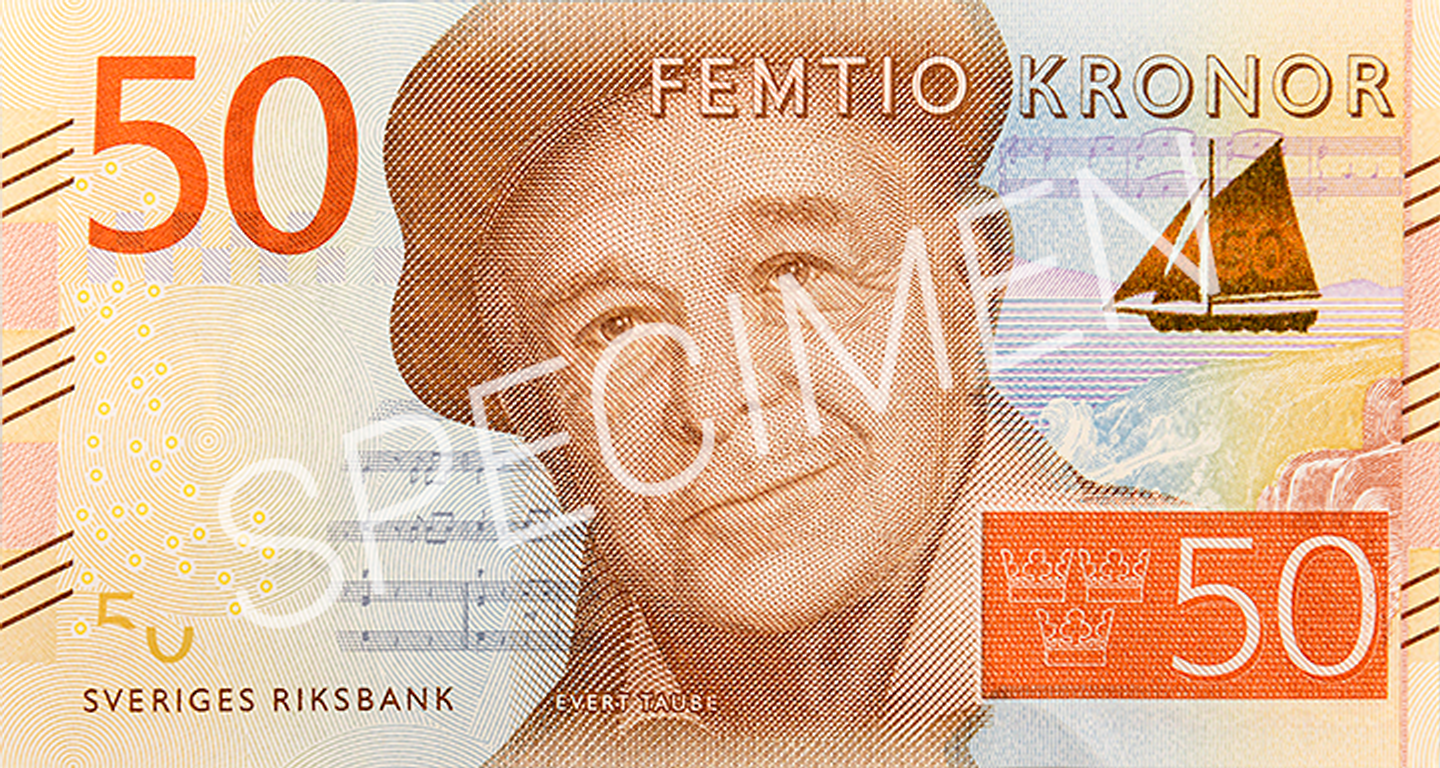
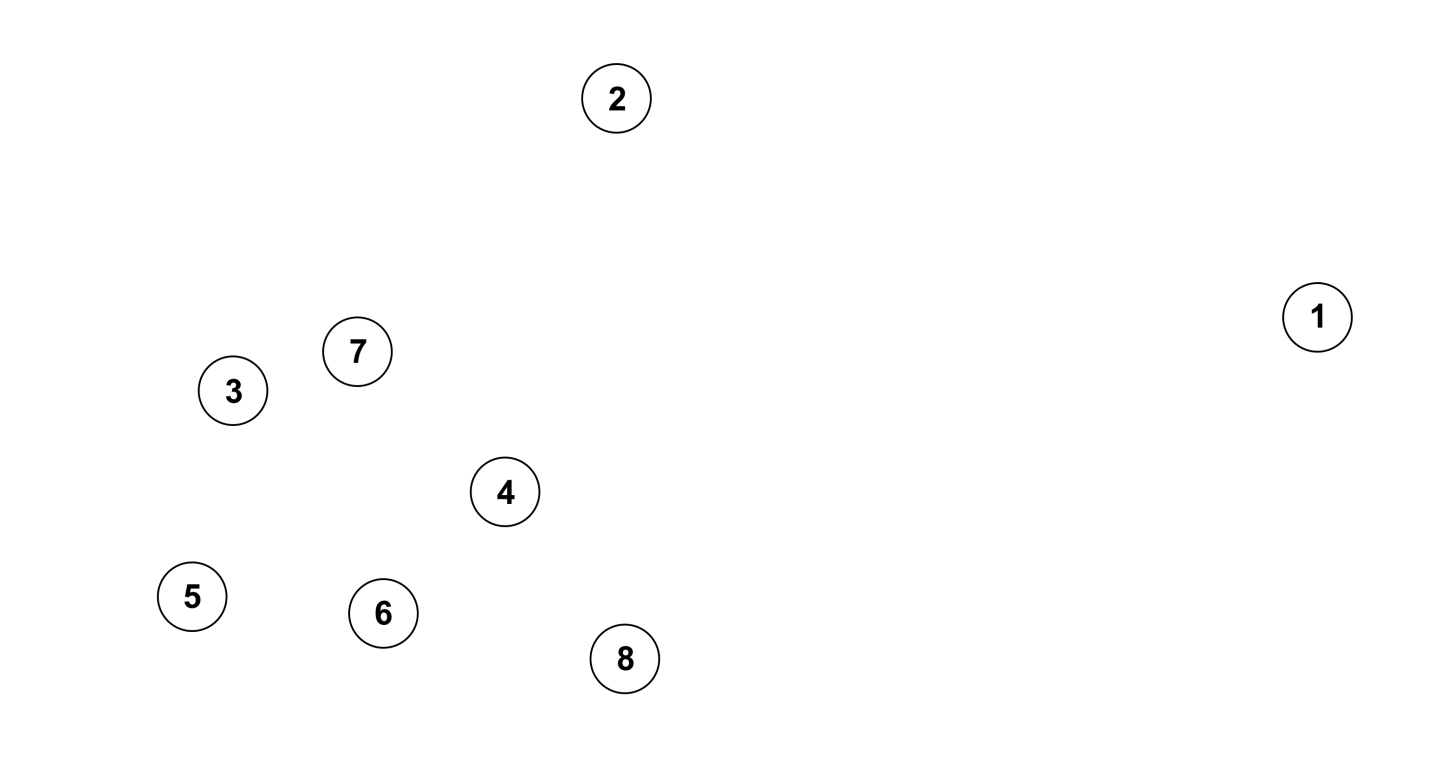
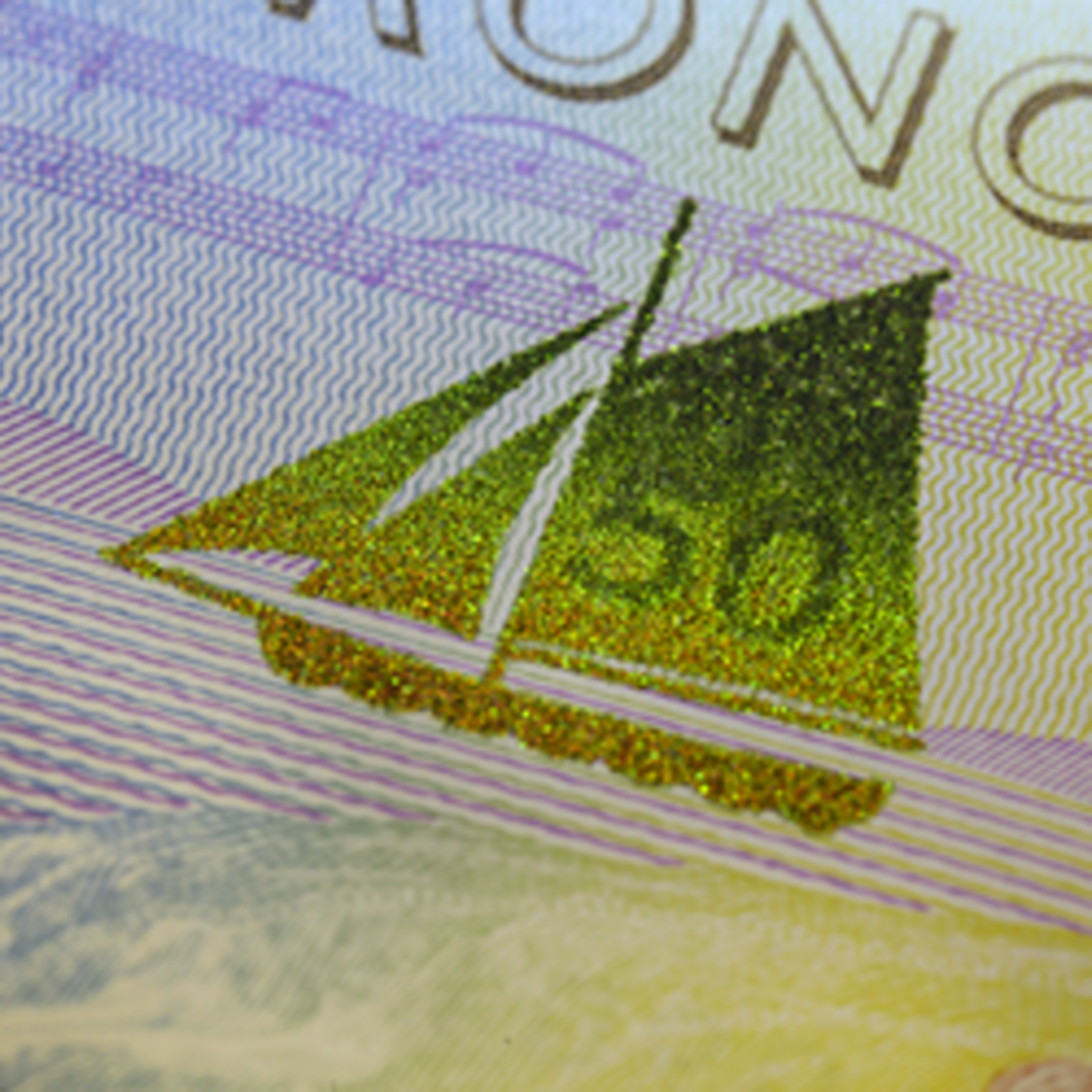
1. Colour-shifting image
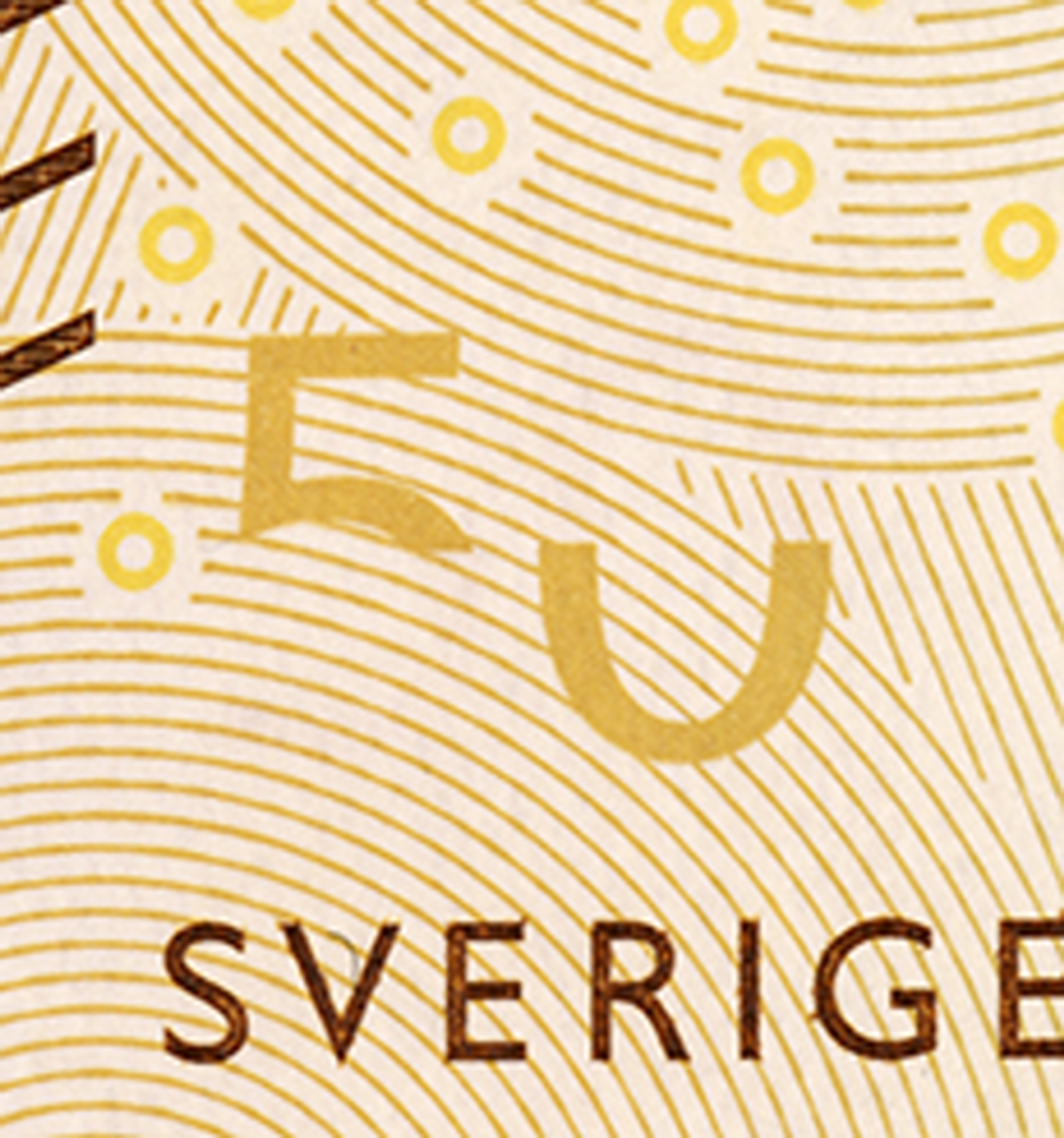
Colour-shifting image linked to the person portrayed on the banknote, in this case a ship. The banknote's denomination, 50, is also shown in the image. The image and the denomination gradually change colour between gold and green when you tilt the banknote.
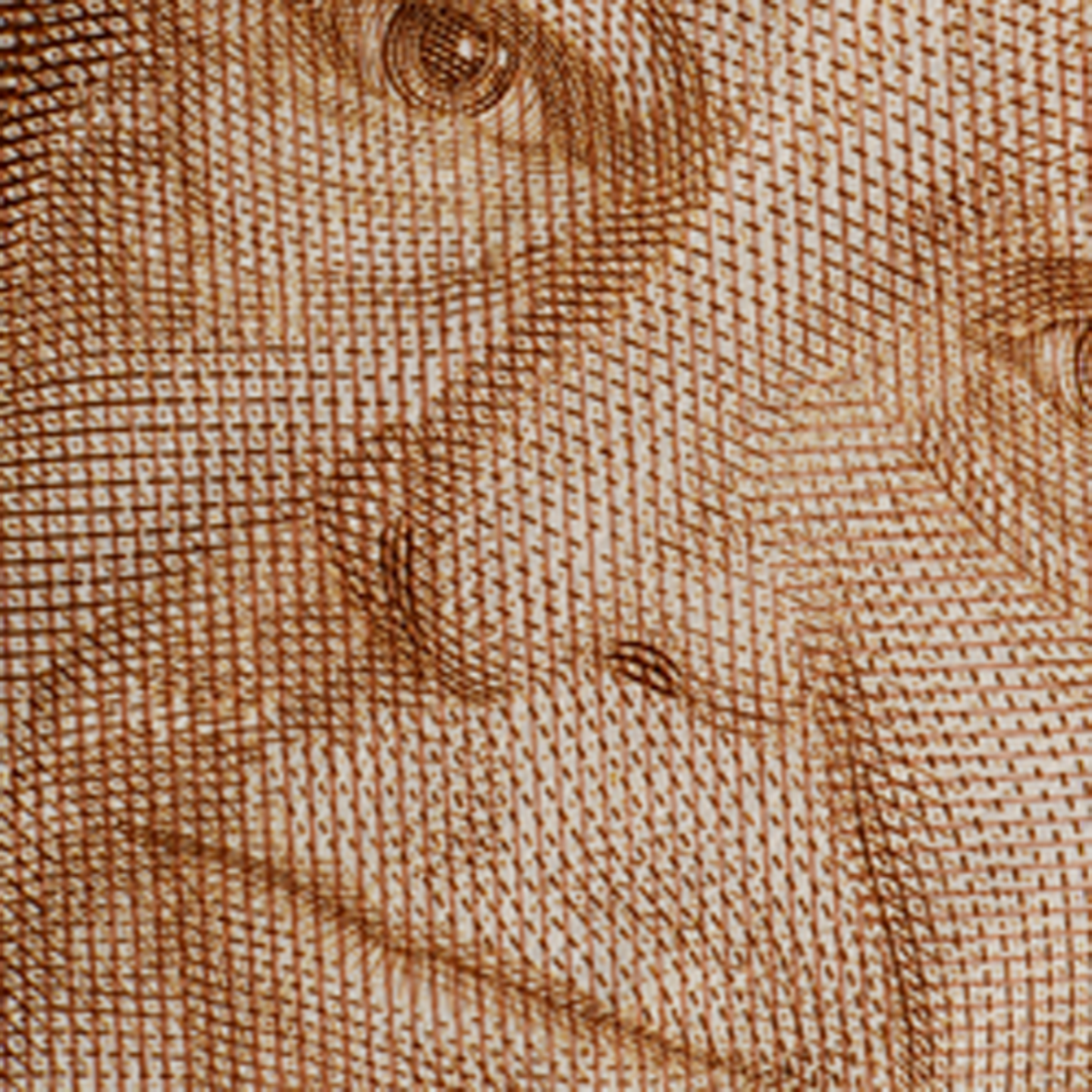
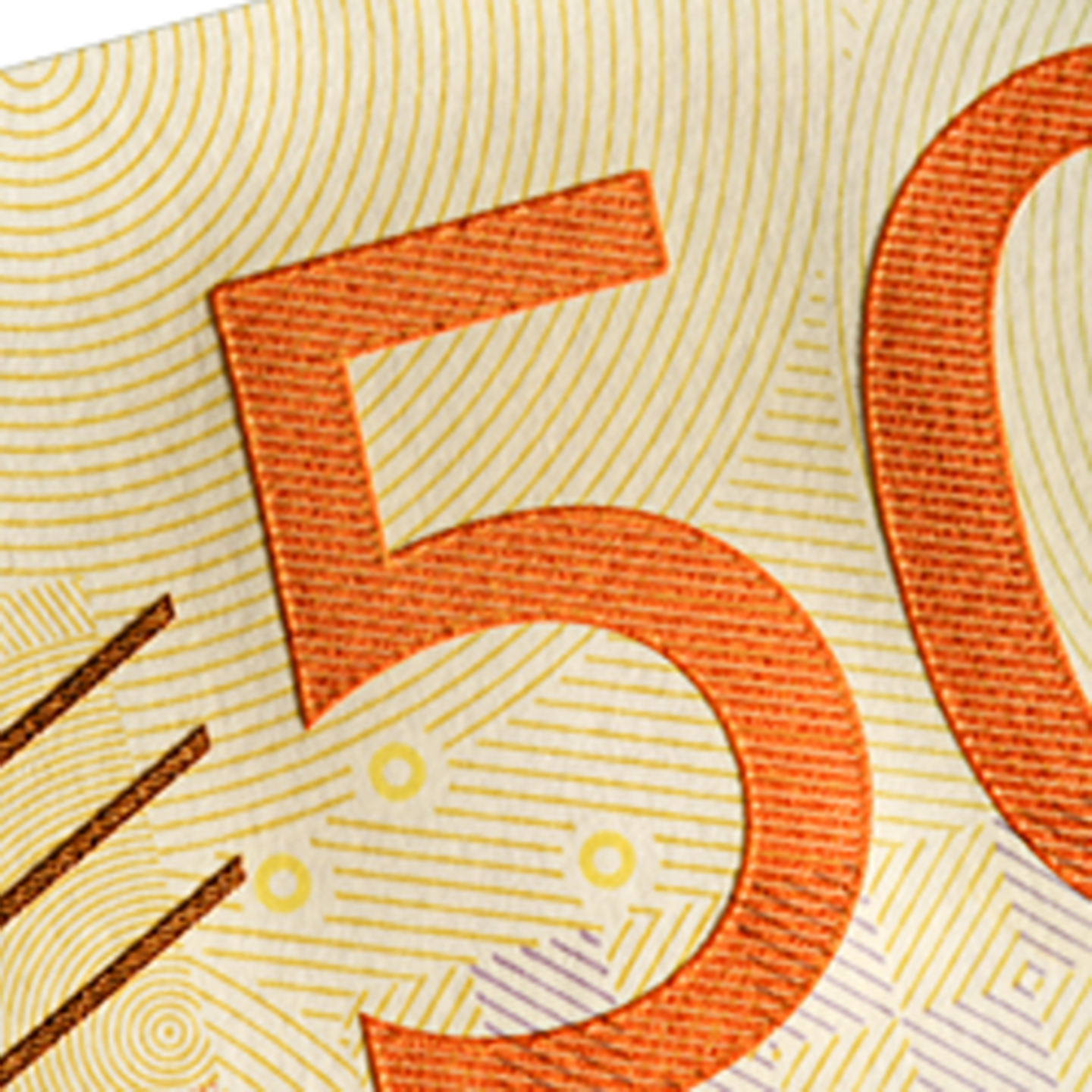
2.1 Intaglio print
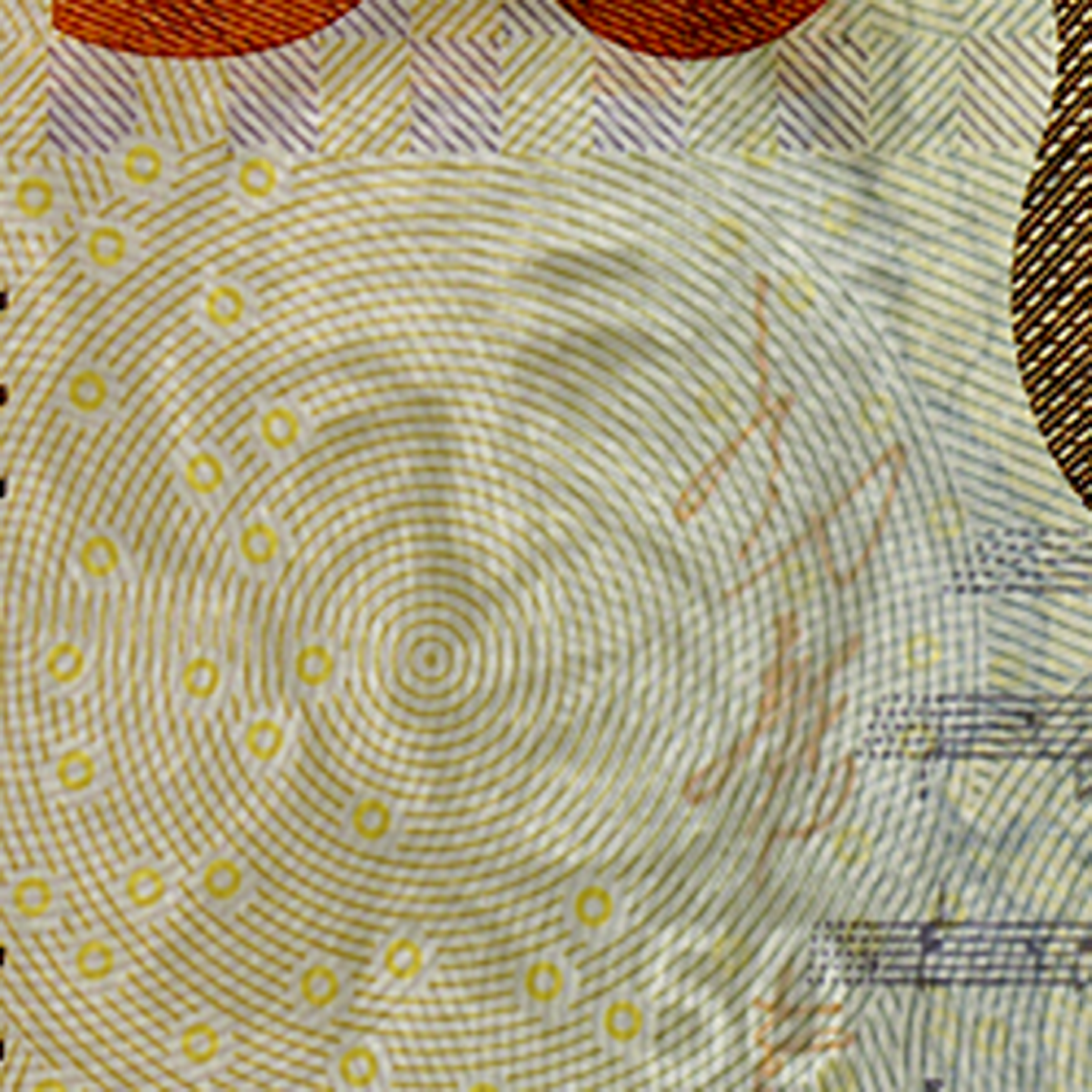
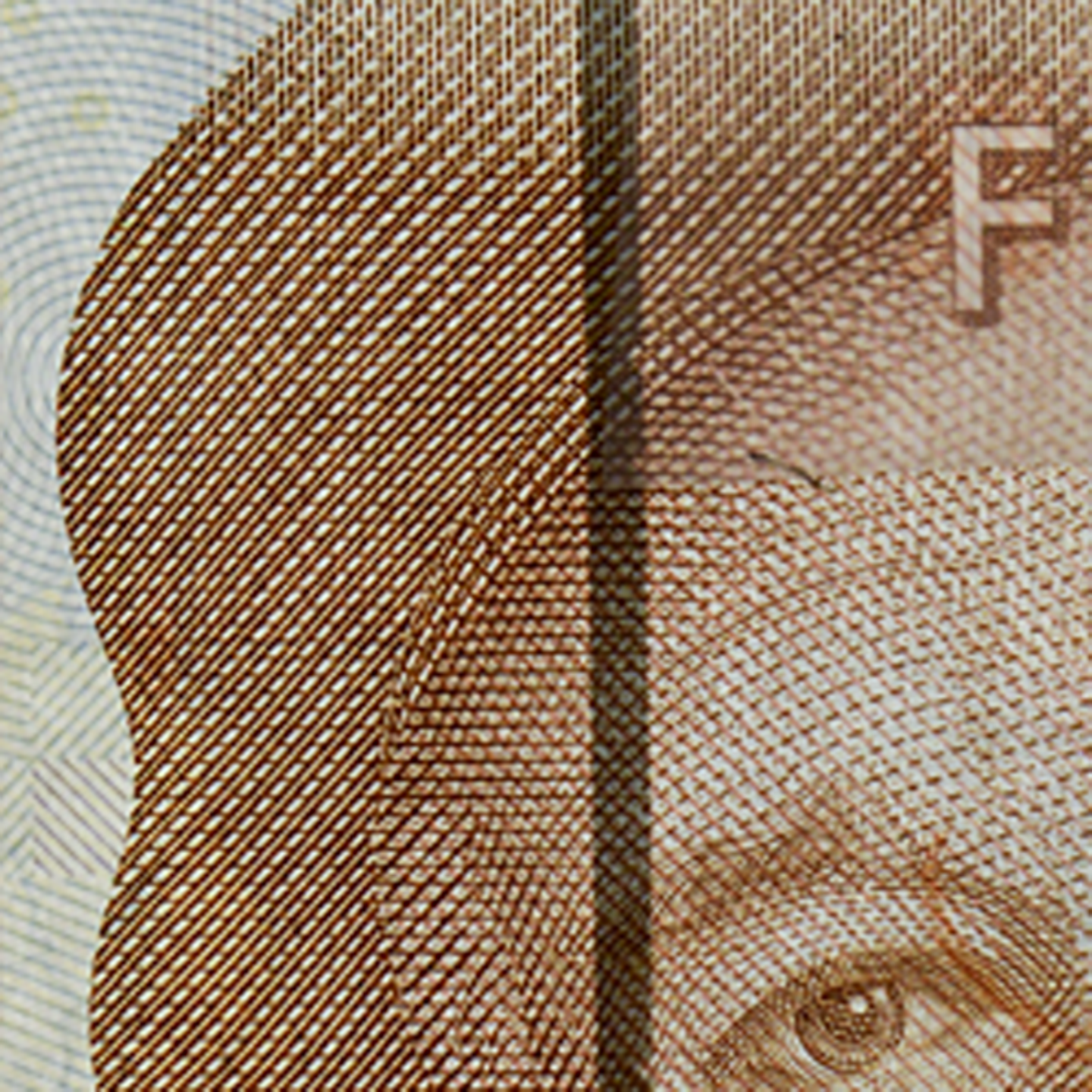
Intaglio print, which makes the paper feel like a banknote and gives it a noticeable raised surface – run your thumb over it or scrape lightly with a fingernail. Intaglio printing has been used for the portrait, denominations, the text SVERIGESRIKSBANK and the markings identifying the denomination.
2.2 Intaglio print
3. Watermark
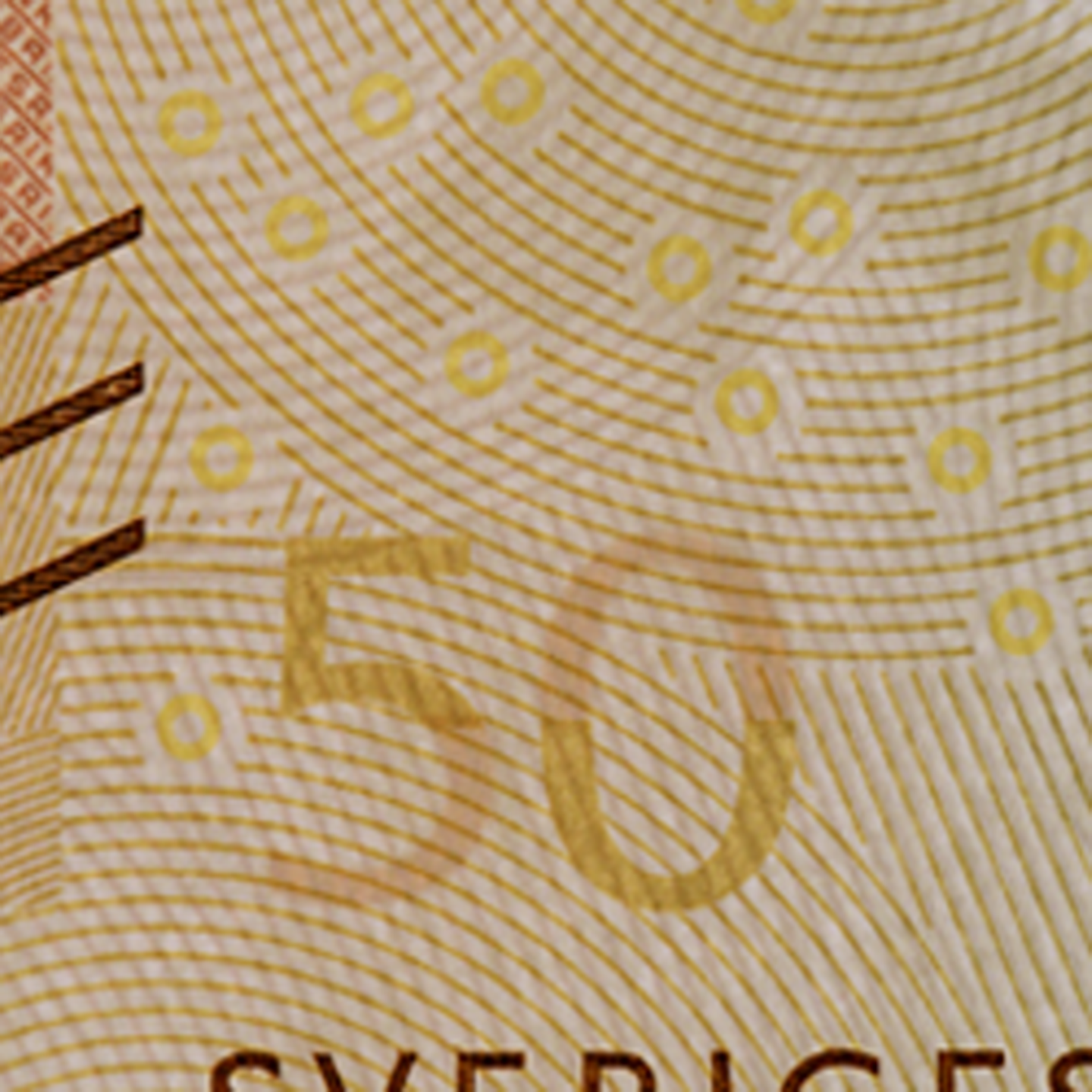
Watermark with the banknote's denomination and portrait that are visible when you hold the banknote to the light. The denomination appears significantly lighter than the rest of the paper.
4. Security thread
Security thread embedded in the banknote paper. Visible as a dark line when you hold the banknote up to the light.
5. See-through picture
A pattern that, together with a matching pattern on the reverse, forms the denomination when you hold the banknote to the light.
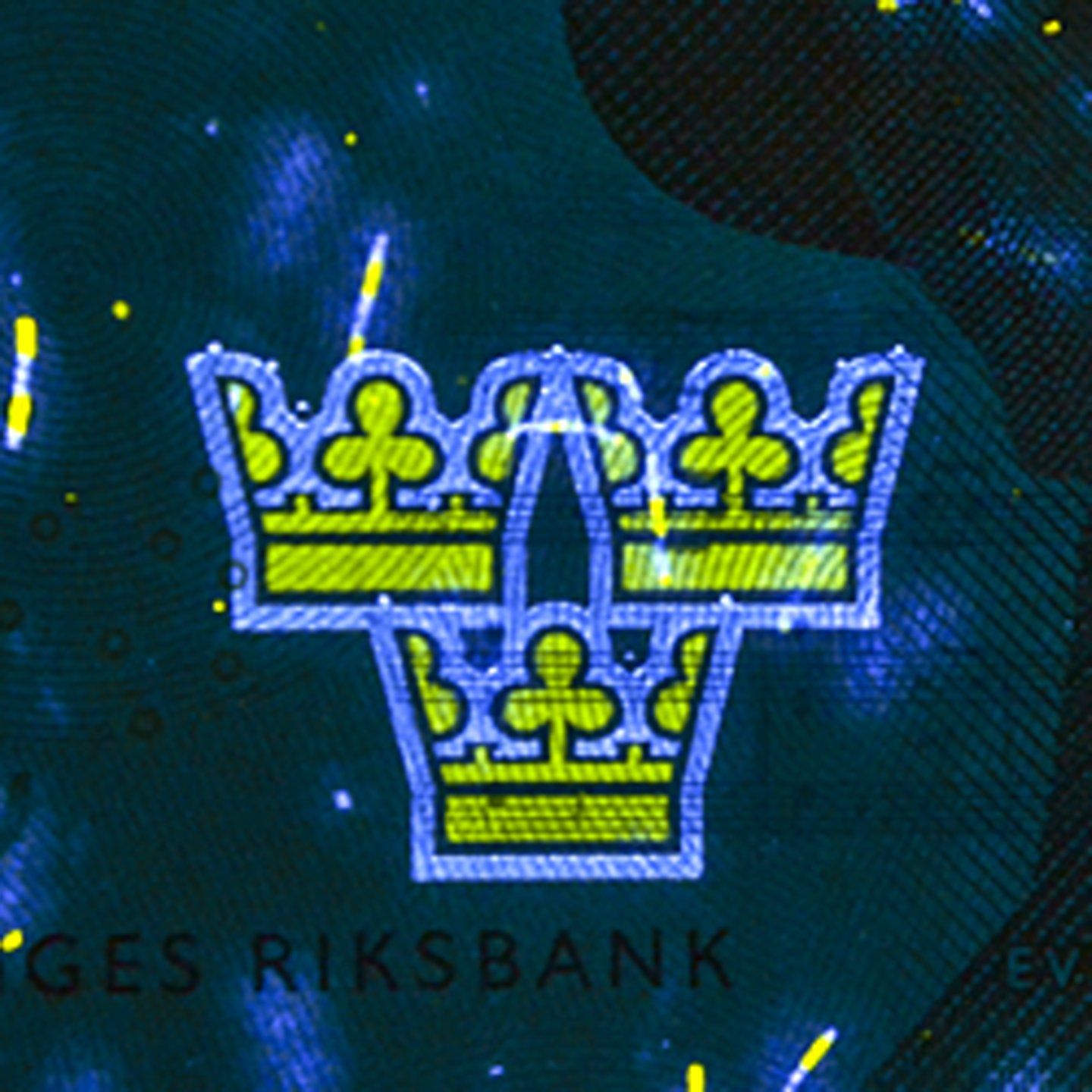
6. UV image
UV image (three crowns) that fluoresces (glows) yellow and blue under ultraviolet light.
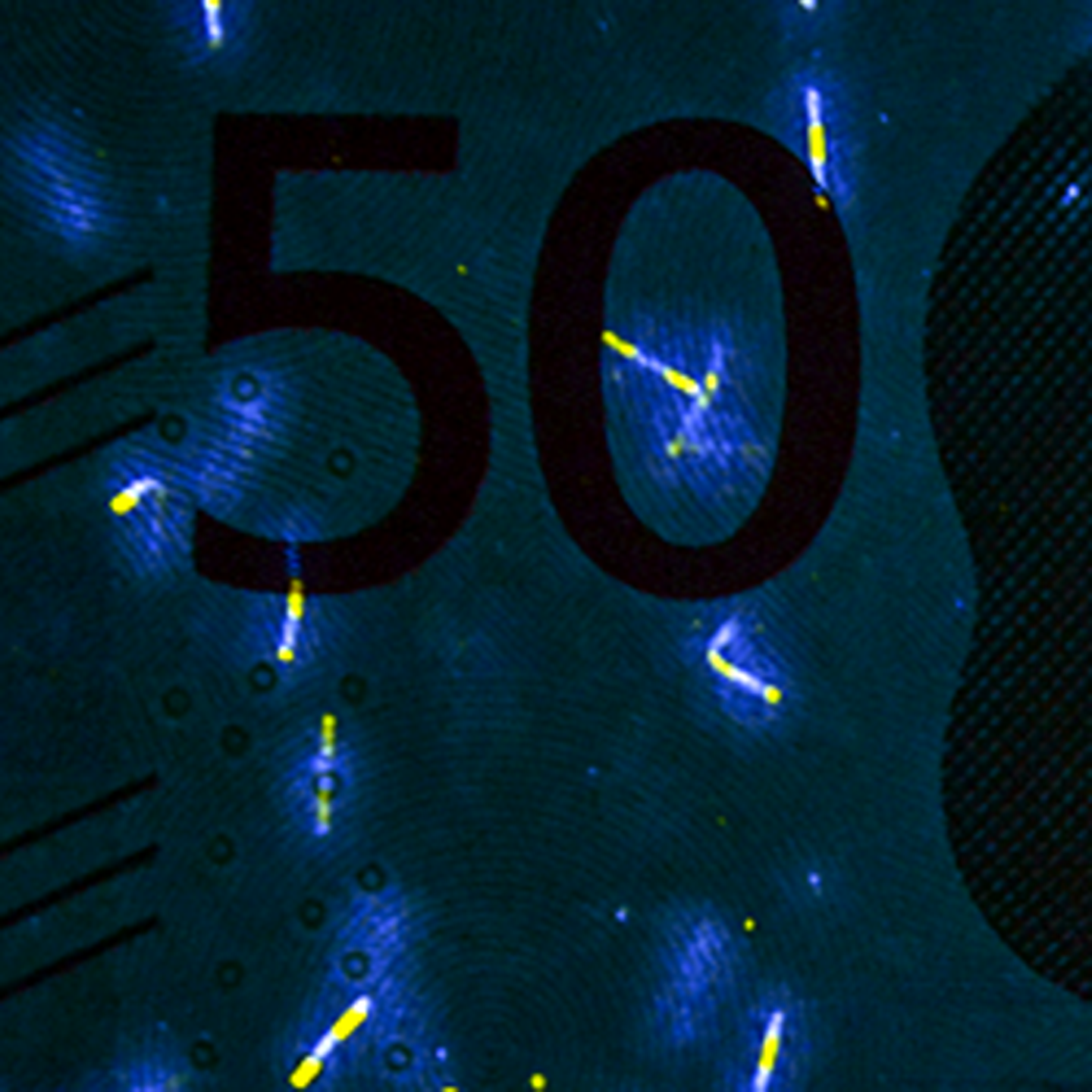
7. UV fibres
UV fibres spread across the entire banknote that fluoresce (glow) yellow and blue under ultraviolet light.
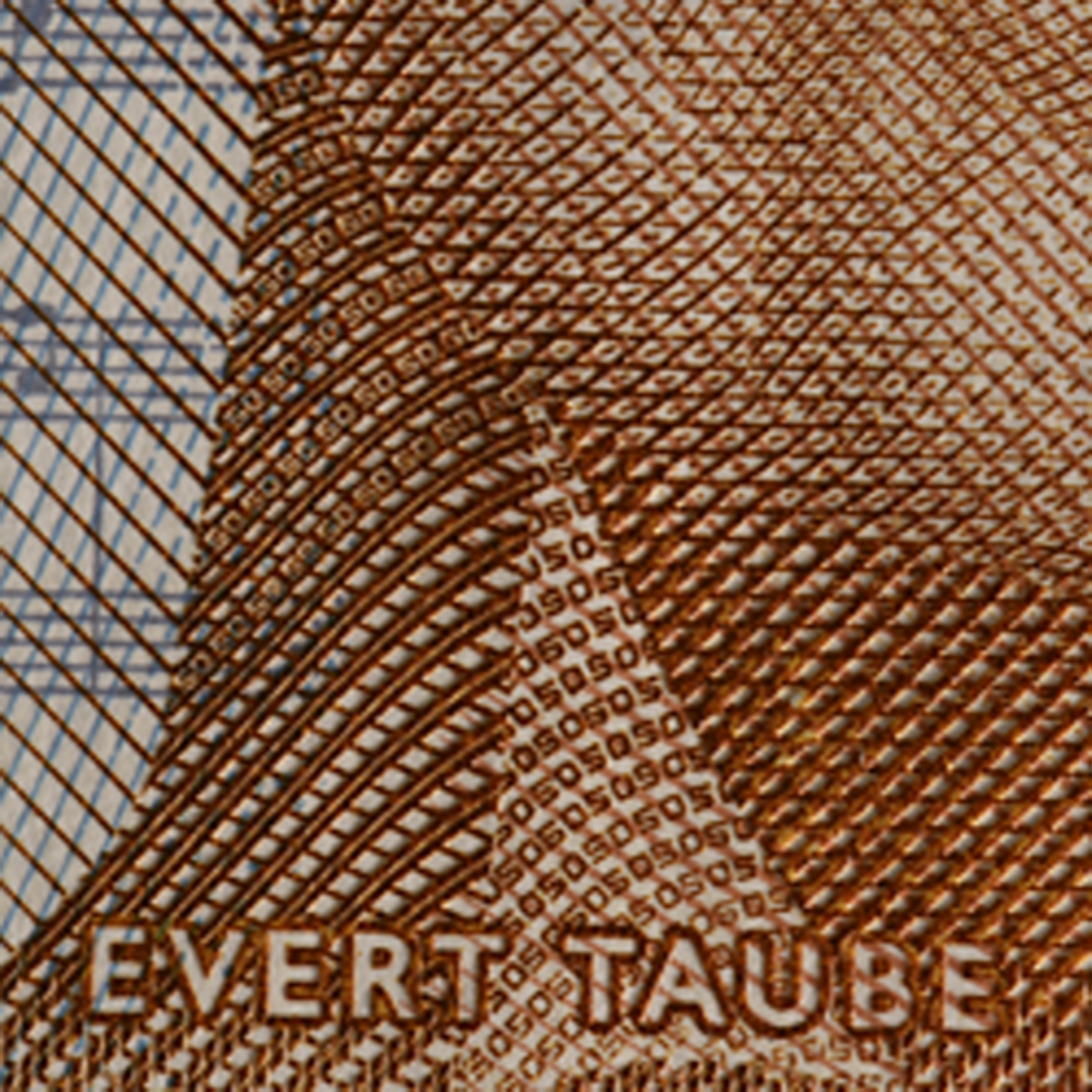
8.1 Micro- and minitexts
The denomination repeated several times, placed in the portrait: 5050505050505050505050505050505050505050505050505050 Text beside the denomination on the right side, repeated several times: SVERIGESRIKSBANK SVERIGESRIKSBANK SVERIGESRIKSBANK
8.2 Micro- and minitexts
Text beside the denomination on the right side, repeated several times: SVERIGESRIKSBANK SVERIGESRIKSBANK SVERIGESRIKSBANK
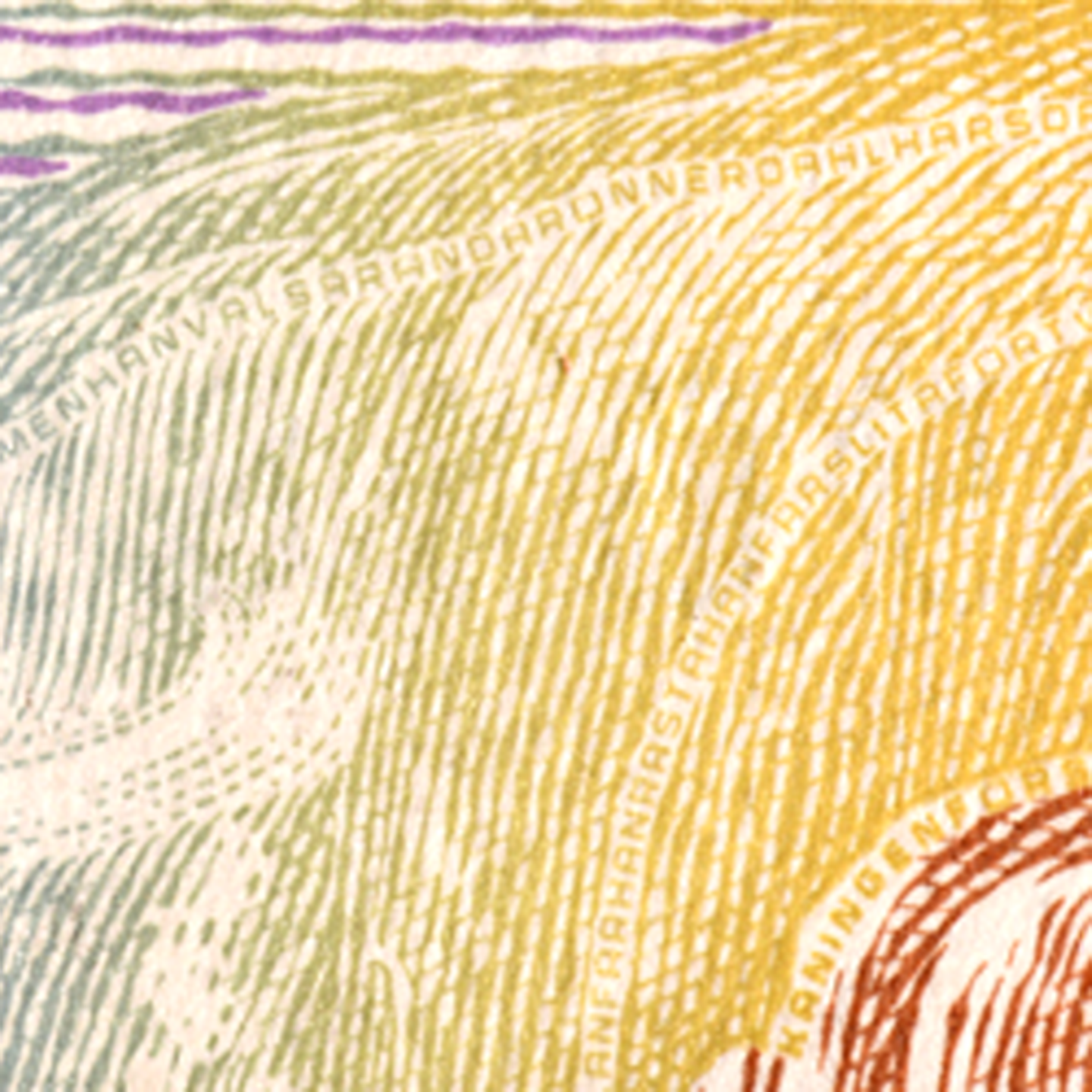
8.3 Micro- and minitexts
Text on the cliffs (from Evert Taube’s ballad Sjösala vals, in translation: Rönnerdahl is old but he rolls anyway, Rönnerdahl has sorrows and is short of shekels. Rarely will he rest – he has to work for two. How he manages, no one knows), written with no spaces: RÖNNERDAHLÄRGAMMALMENHANVALSARÄNDÅ! RÖNNERDAHLHARSORGEROCHONTOMSEKINER. SÄLLANFÅRHANRASTA–HANFÅRSLITAFÖRTVÅ.HUR HANKLARARSKIVANKANINGENFÖRSTÅ
8.4 Micro- and minitexts
Text on the short edge, repeated several times: SVERIGESRIKSBANK SVERIGESRIKSBANK SVERIGESRIKSBANK
1. Watermark
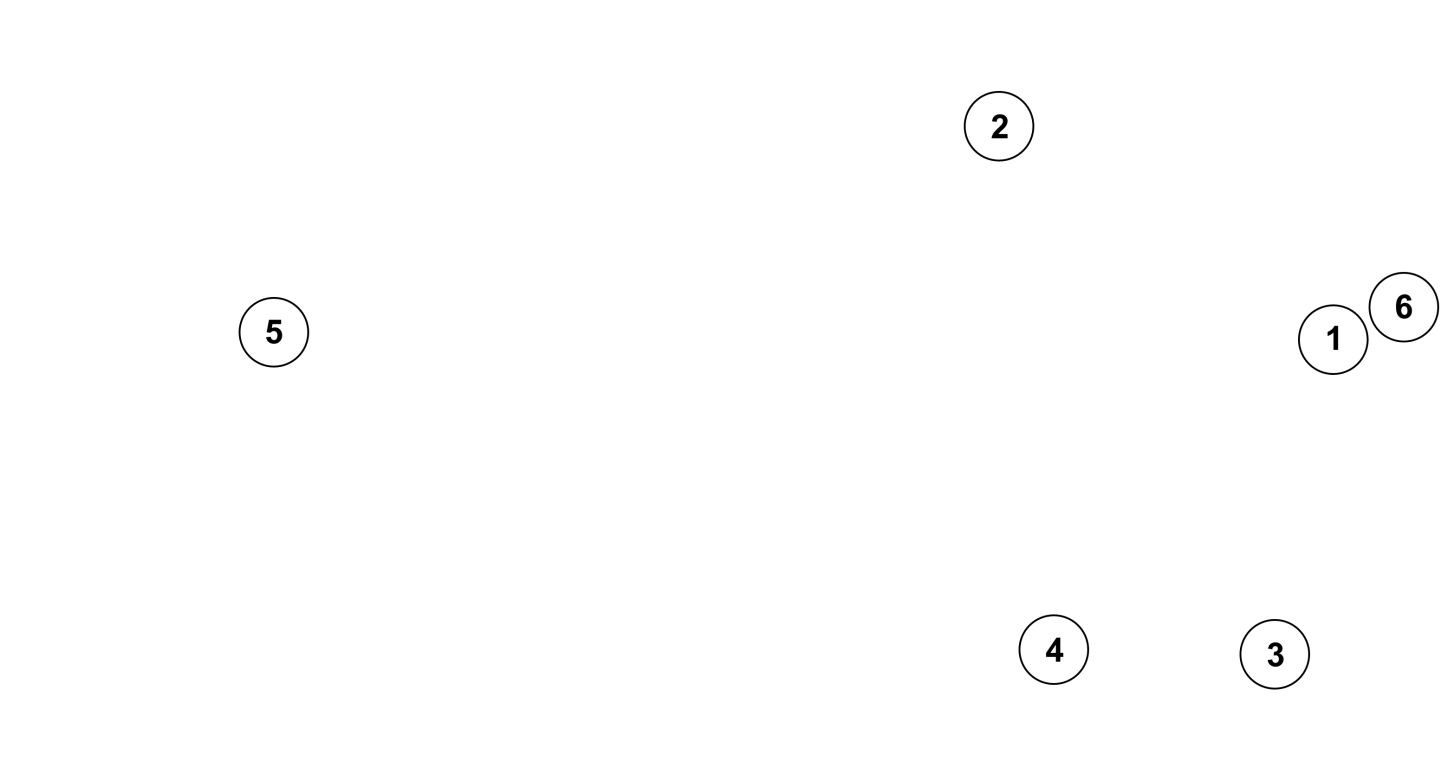
Watermark with the banknote's denomination and portrait that are visible when you hold the banknote to the light. The denomination appears significantly lighter than the rest of the paper.
2. Security thread
Security thread embedded in the banknote paper. Visible as a dark line when you hold the banknote up to the light.
3. See-through picture
A pattern that, together with a matching pattern on the obverse, forms the denomination when you hold the banknote to the light.
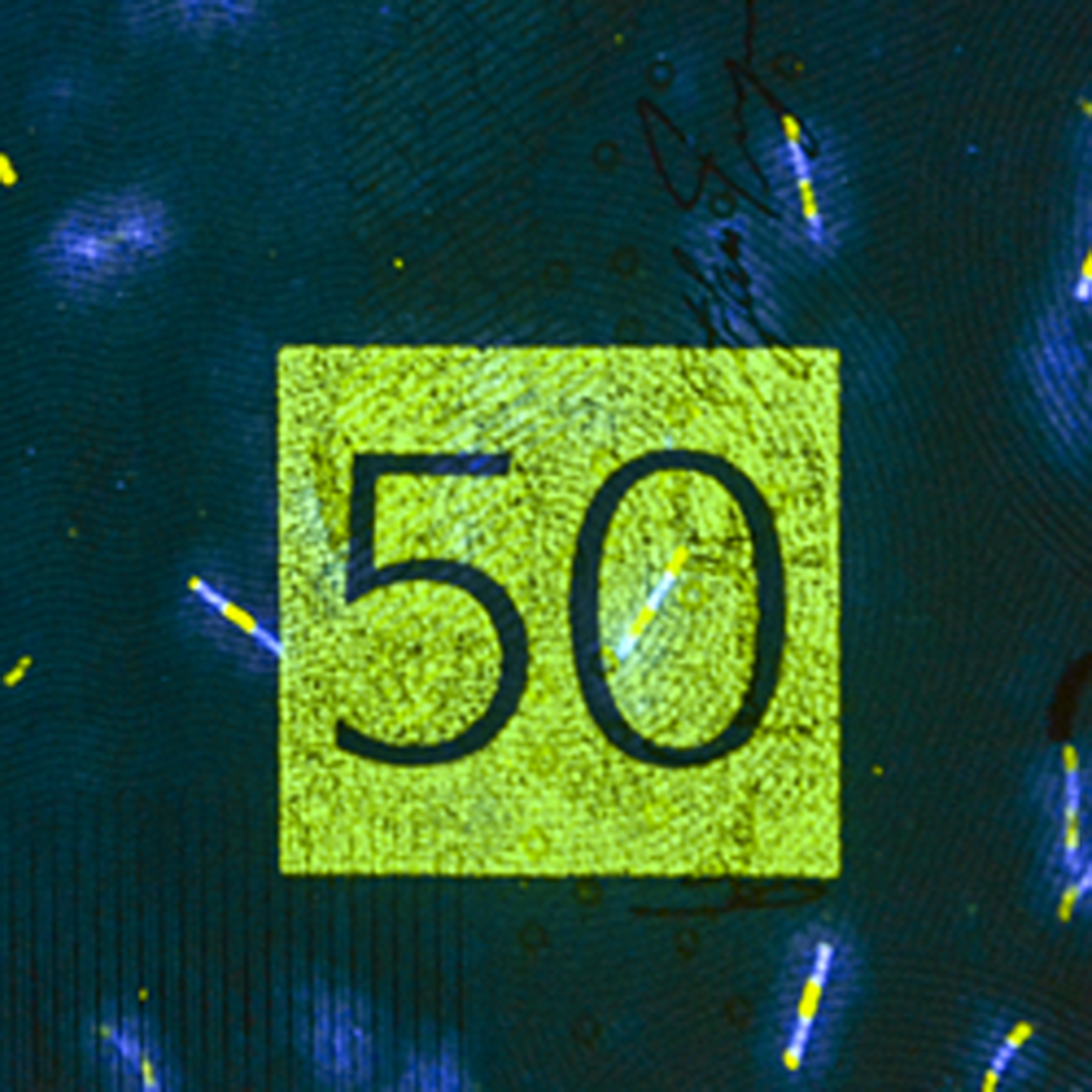
4. UV image
UV image (50) that fluoresces (glows) green under ultraviolet light.
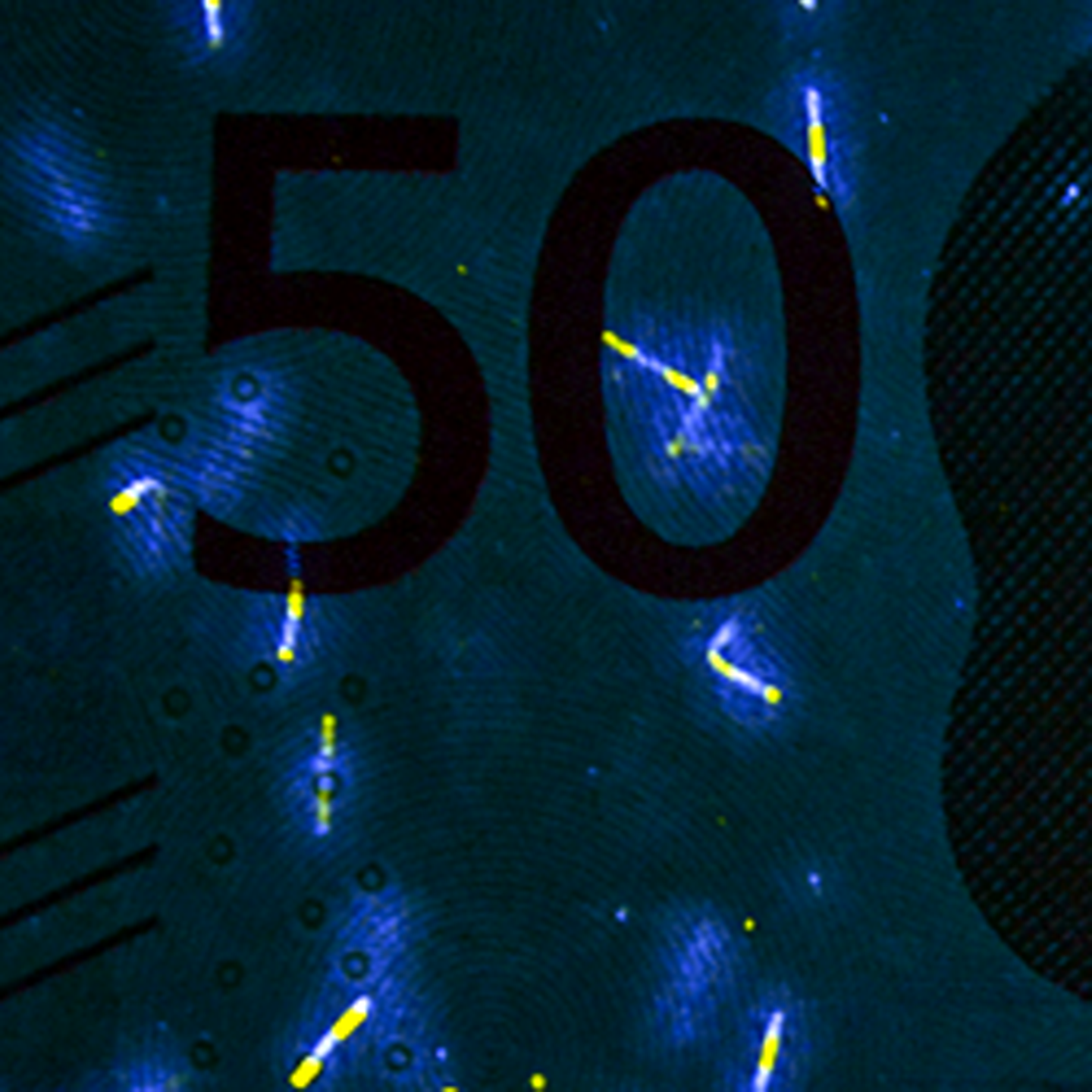
5. UV fibres
UV fibres spread across the entire banknote that fluoresce (glow) yellow and blue under ultraviolet light.
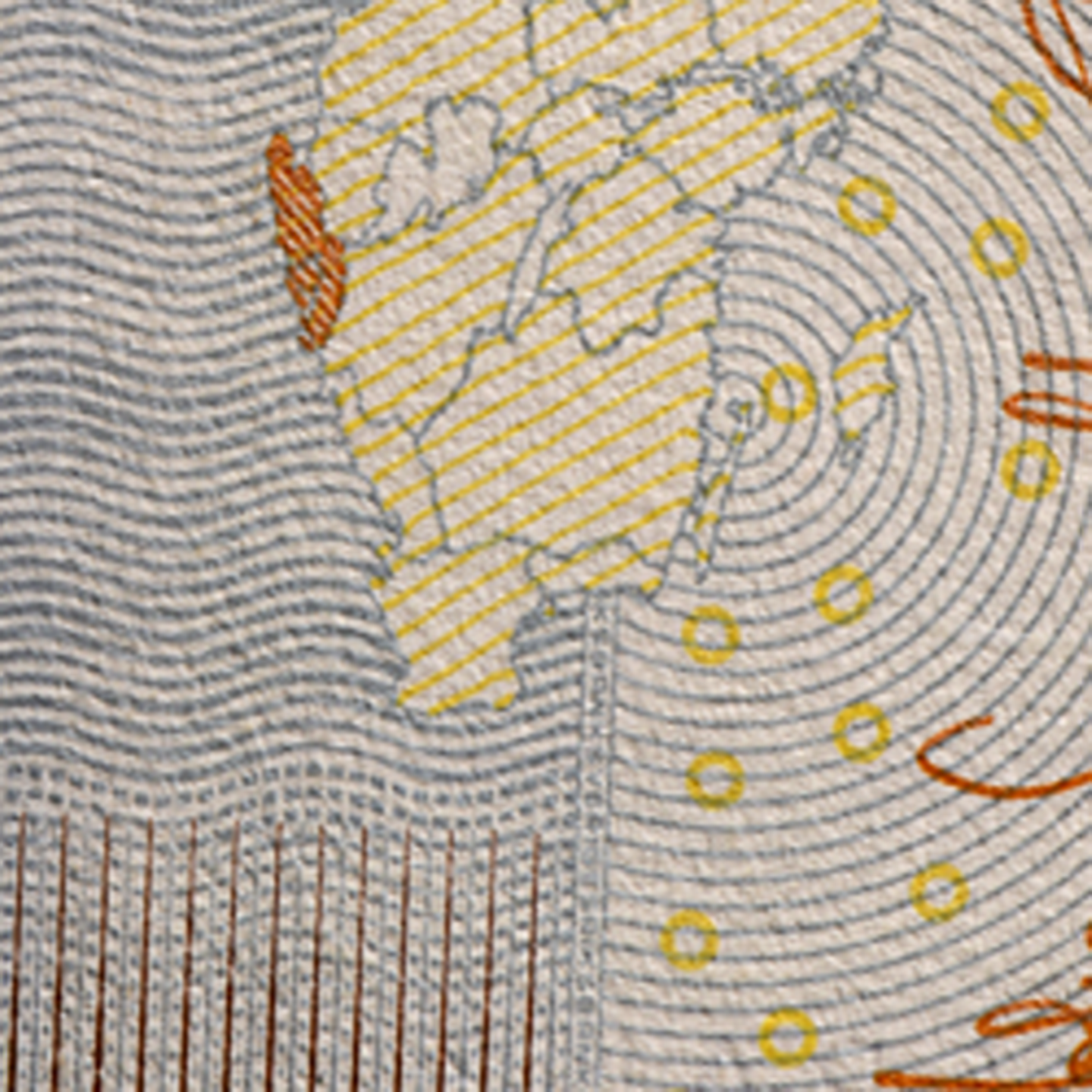
6. Minitexts
Text beside the map, repeated several times: SVERIGESRIKSBANK SVERIGESRIKSBANK SVERIGESRIKSBANK
6.2 Minitexts
Text on the short edge, repeated several times: SVERIGESRIKSBANK SVERIGESRIKSBANK SVERIGESRIKSBANK
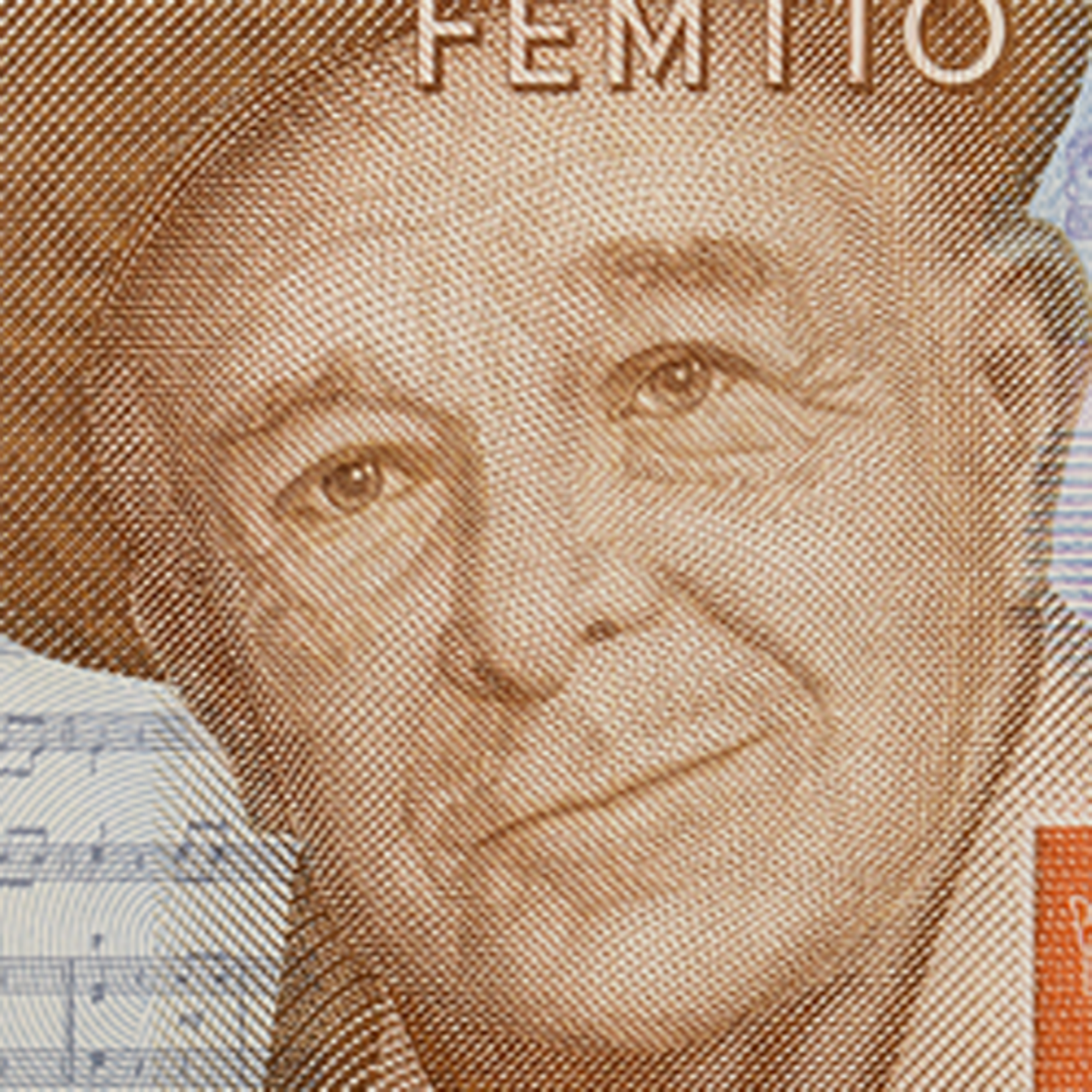
1. Evert Taube
Poet, composer and artist Evert Taube (1890–1976) is considered one of Sweden's national poets due to his contributions to Swedish balladry. Portrait engraved after a photograph by Bengt Adin, published in the book Kom i min famn by Inga-Britt Fredholm.
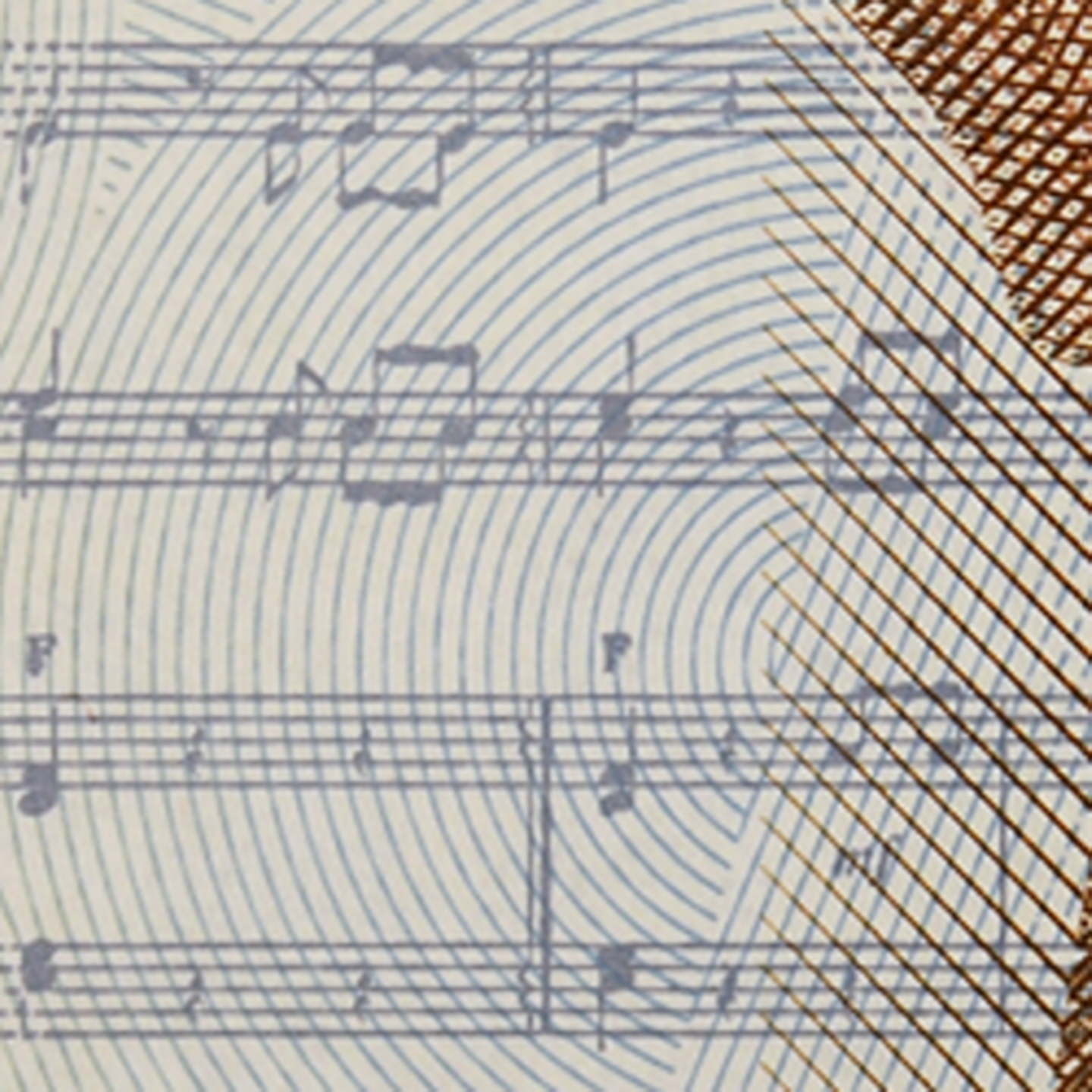
2. While still the boat sails along
Notes from Evert Taube's ballad Så länge skutan kan gå.
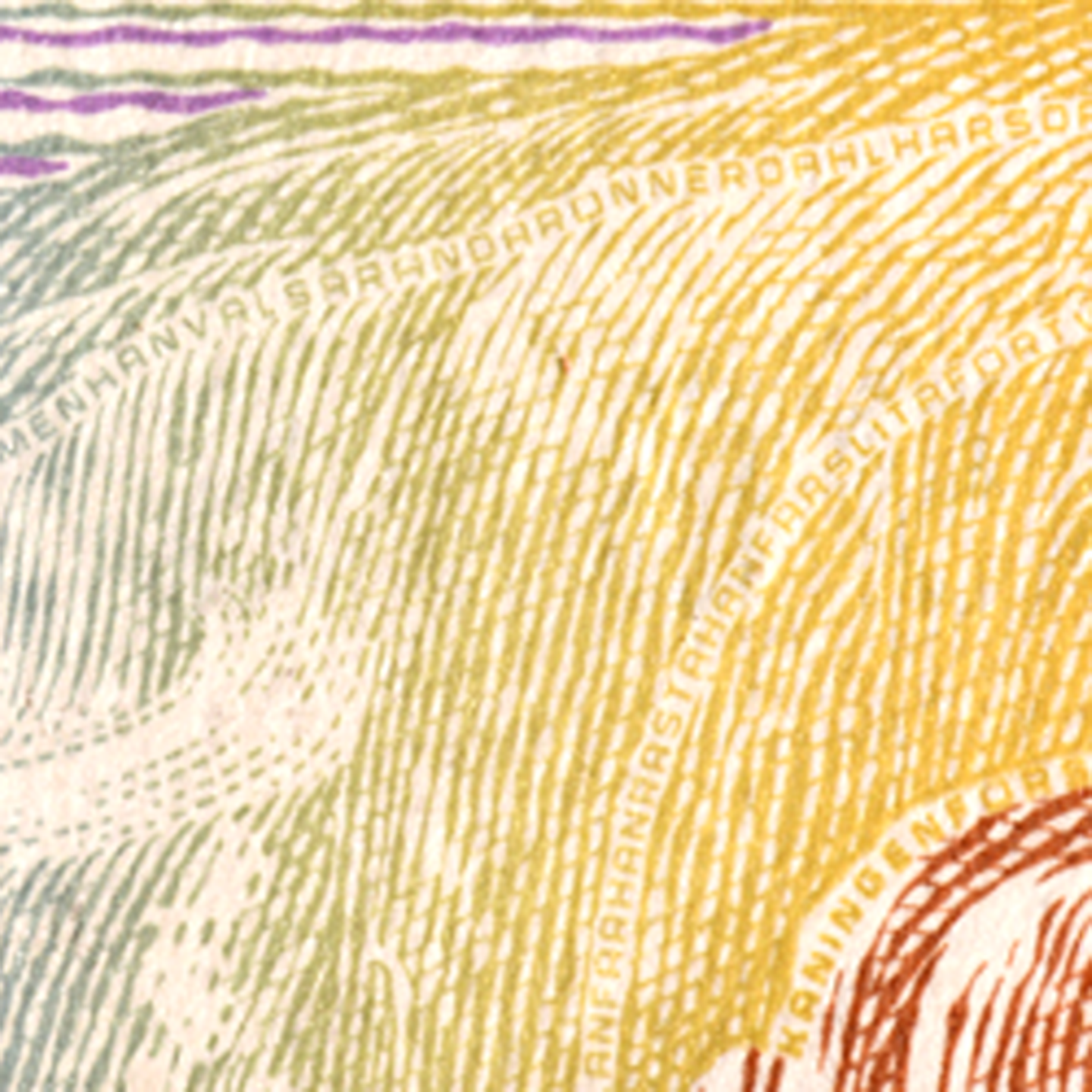
3. Waltz of Sjösala
Minitext that can be read with the aid of a magnifying glass (from Evert Taube's ballad Sjösala vals, in translation: Rönnerdahl is old but waltzes still. Rönnerdahl has sorrows and not enough sequins. He seldom gets to rest – he has to work for two. How he makes it through the party nobody knows.): Rönnerdahl är gammal men han valsar ändå. Rönnerdahl har sorger och ont om sekiner. Sällan får han rasta – han får slita för två. Hur han klarar skivan kan ingen förstå.
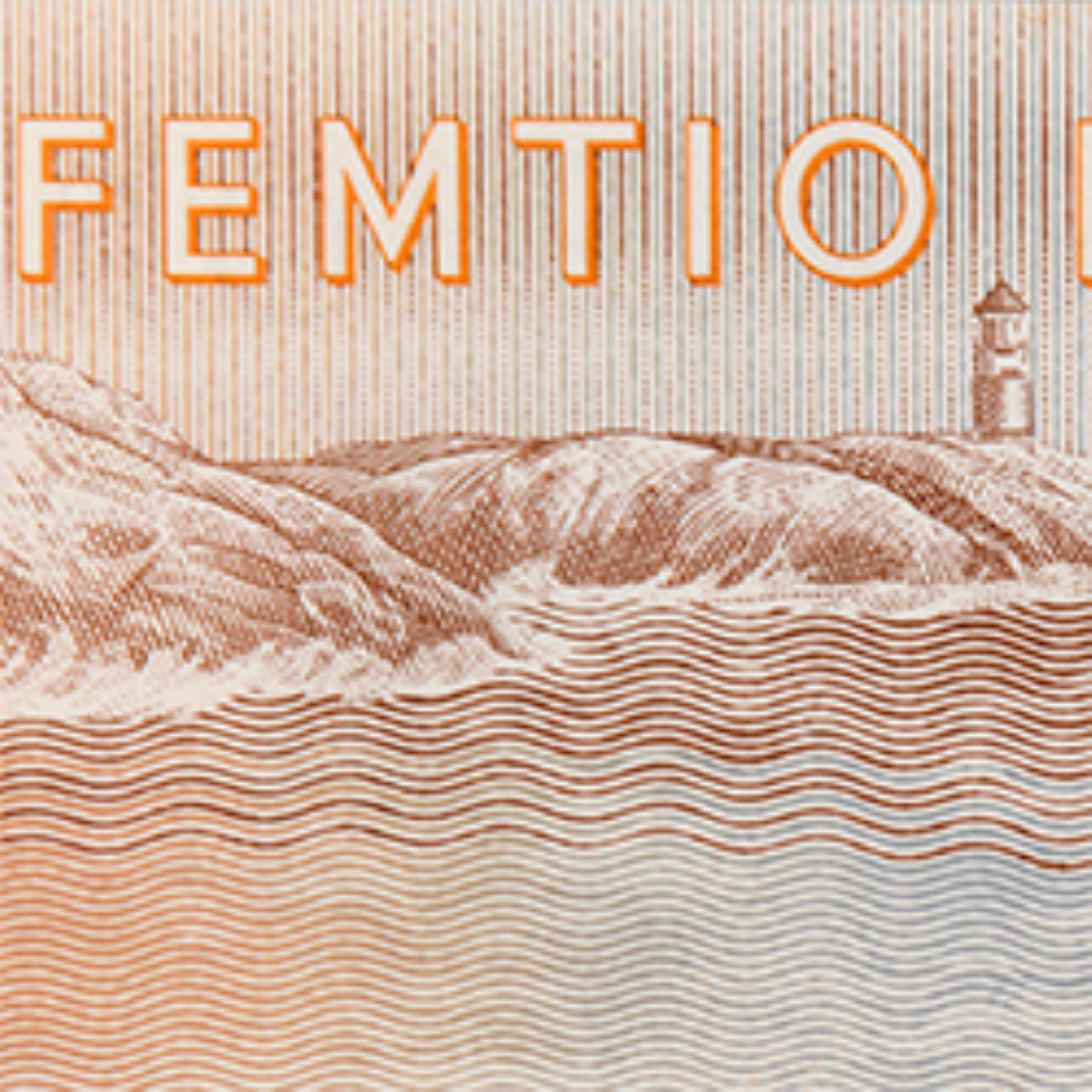
1. Bissen lighthouse
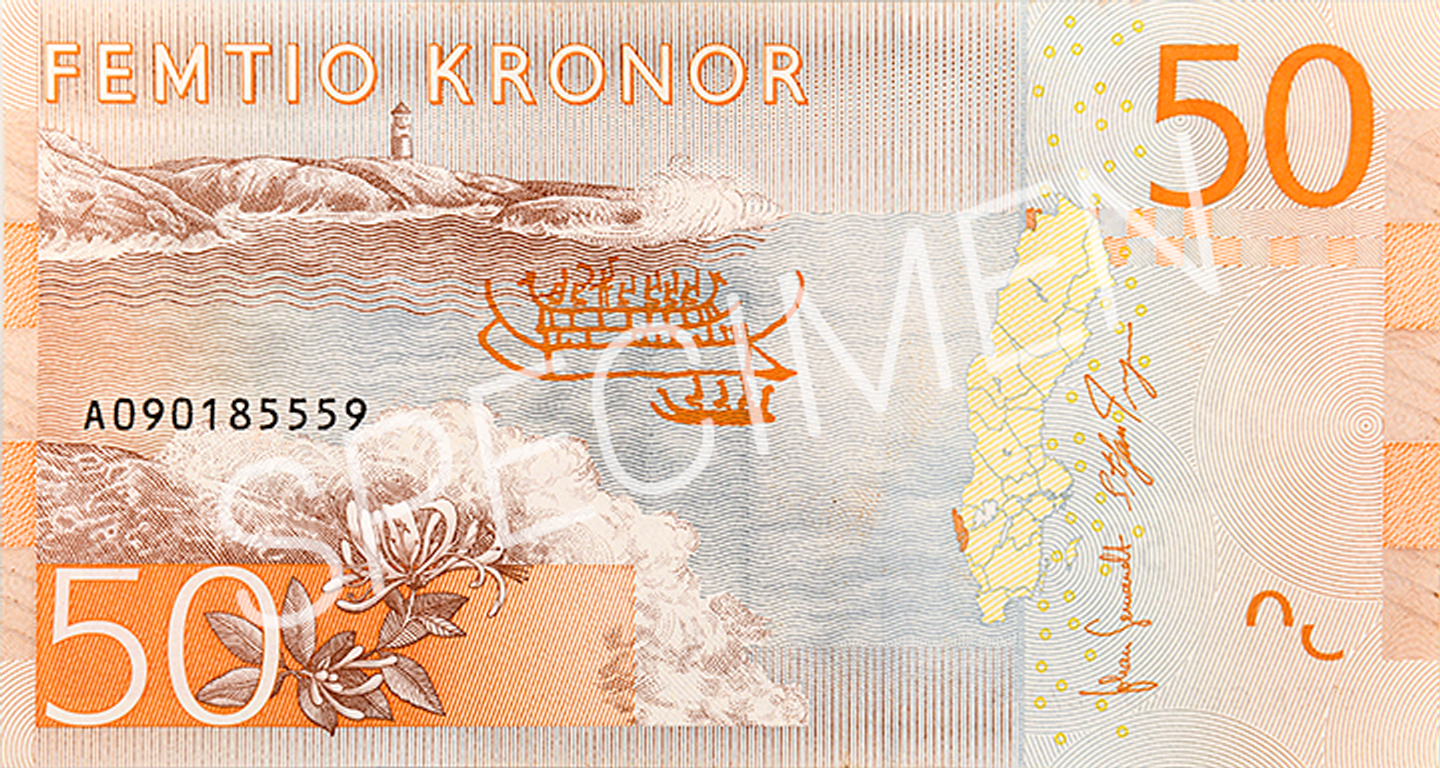
Bohuslän coastline with lighthouse, based on the Bissen lighthouse in Tanum Municipality.
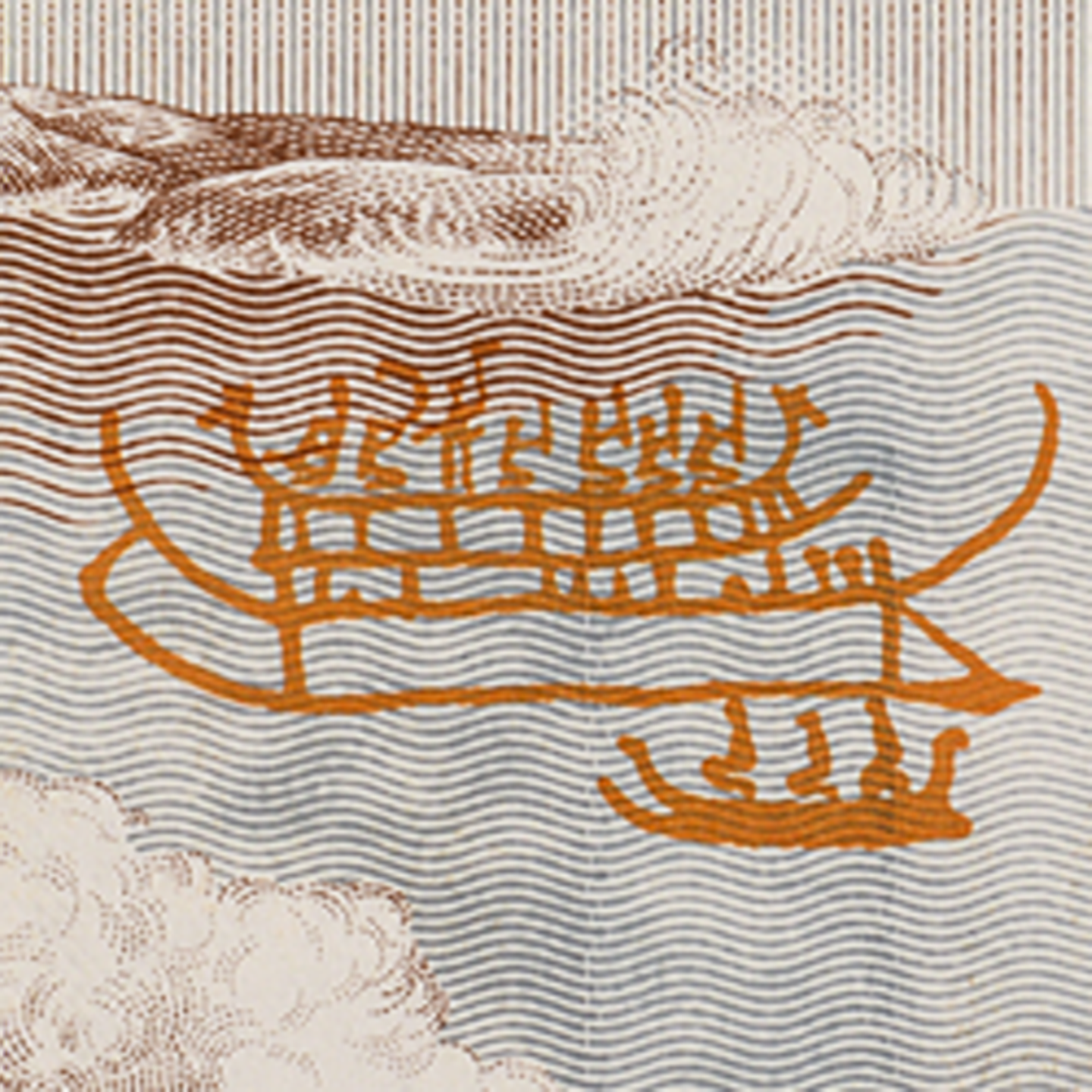
2. Vitlycke – World Heritage
Rock carving at Vitlycke in Tanumshede, which is included in UNESCO's World Heritage List.
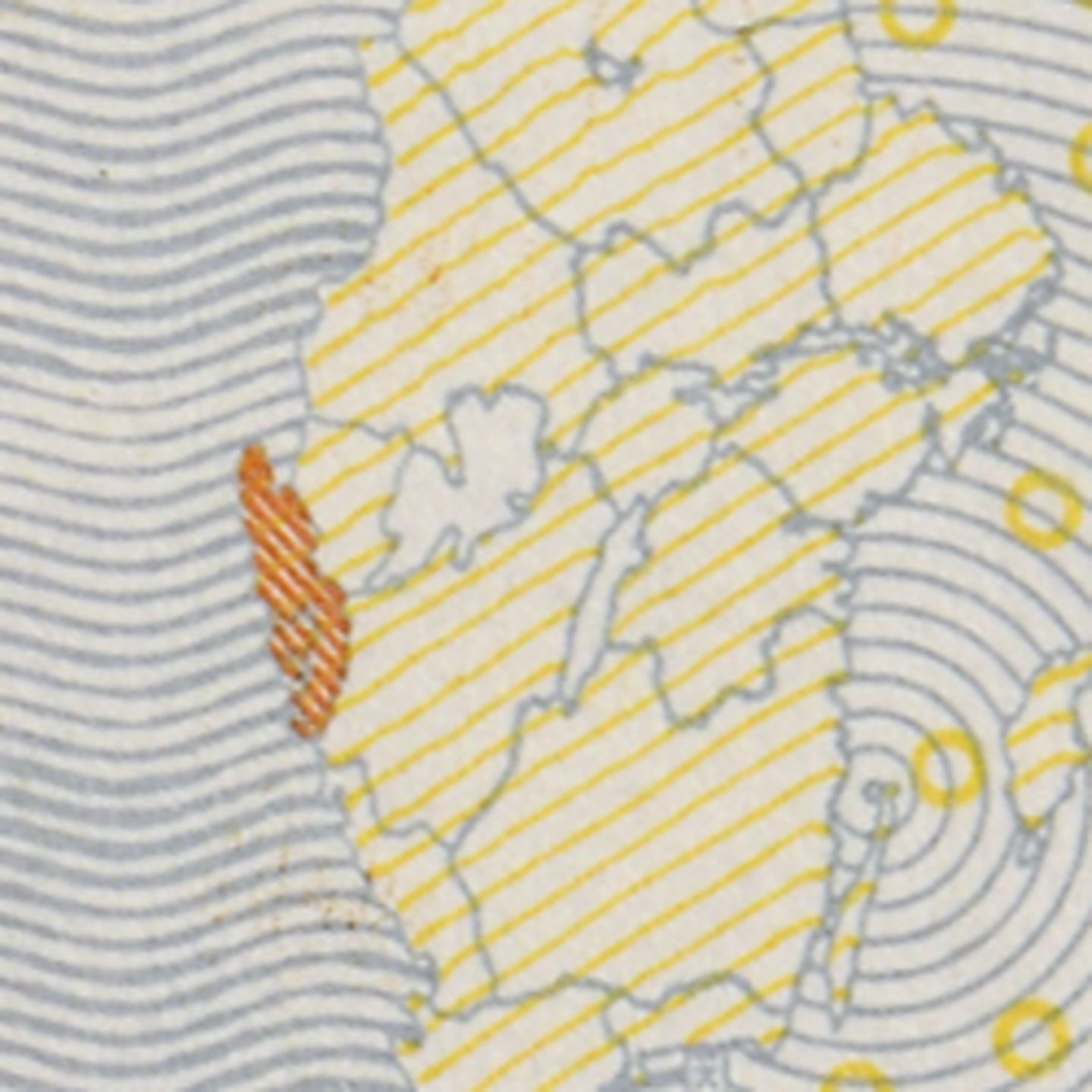
3. Evert Taube’s Bohuslän
Map of Sweden with the province of Bohuslän, one of Evert Taube's many inspirations, marked.
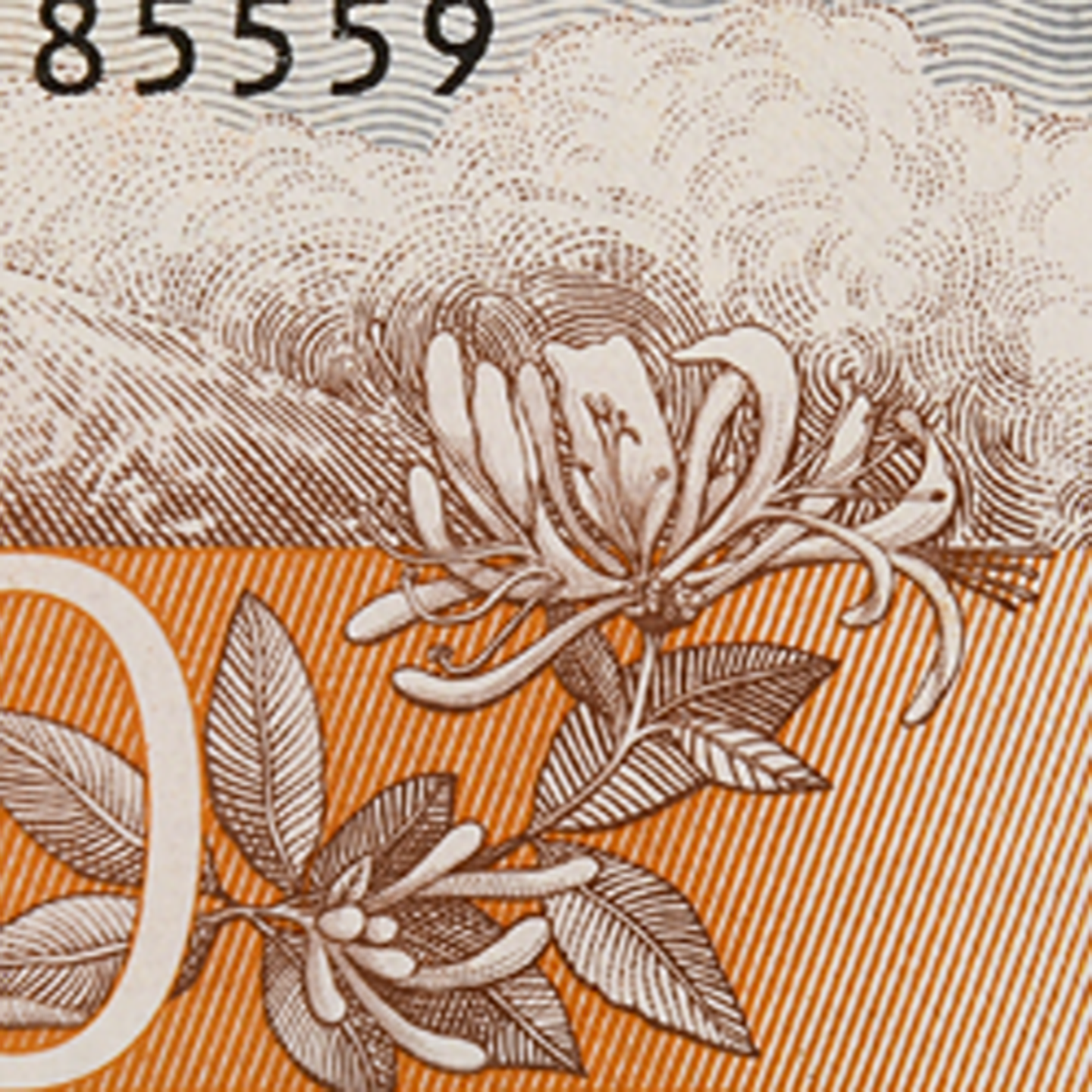
4. Honeysuckle
The provincial flower of Bohuslän, the honeysuckle or woodbine.
Facts 50-krona banknote
Obverse motif: The poet, composer and artist Evert Taube
Reverse motif: Bohuslän, one of the many places from which Evert Taube drew inspiration
Measures: 126 x 66 millimetres
Thickness: 125 micrometres +/- 10%
Colour: Yellow/orange
Will be introduced: 2015
Banknote paper: Manufactured of cotton fibres that are not fluorescent, which is to say they do not emit any light under ultraviolet light (other types of paper may emit a bluish glow).
Banknote numbers: The letters indicate the year in which the banknote was printed. A = 2013, B = 2014 etc. The two first digits indicate where on the printing sheet the banknote was printed. The final seven digits are a serial number.
Valid from 1 October 2015.