
Bunge: Stablecoins and digital euro driven by digitalisation and geopolitics
Speech Continued rapid digitalisation and geopolitical tensions are shaping developments in the payments market. Blockchain technology and the tokenisation of assets are creating both new opportunities and risks. Given these developments, central banks around the world need to think about how they view the money they issue – what form should it take, who should have access to it and how it should be used. These was the words of First Deputy Governor Aino Bunge when she spoke at SNS today
Date: 04/12/2025 08:00
Speaker: First Deputy Governor Aino Bunge
Place: SNS, Stockholm
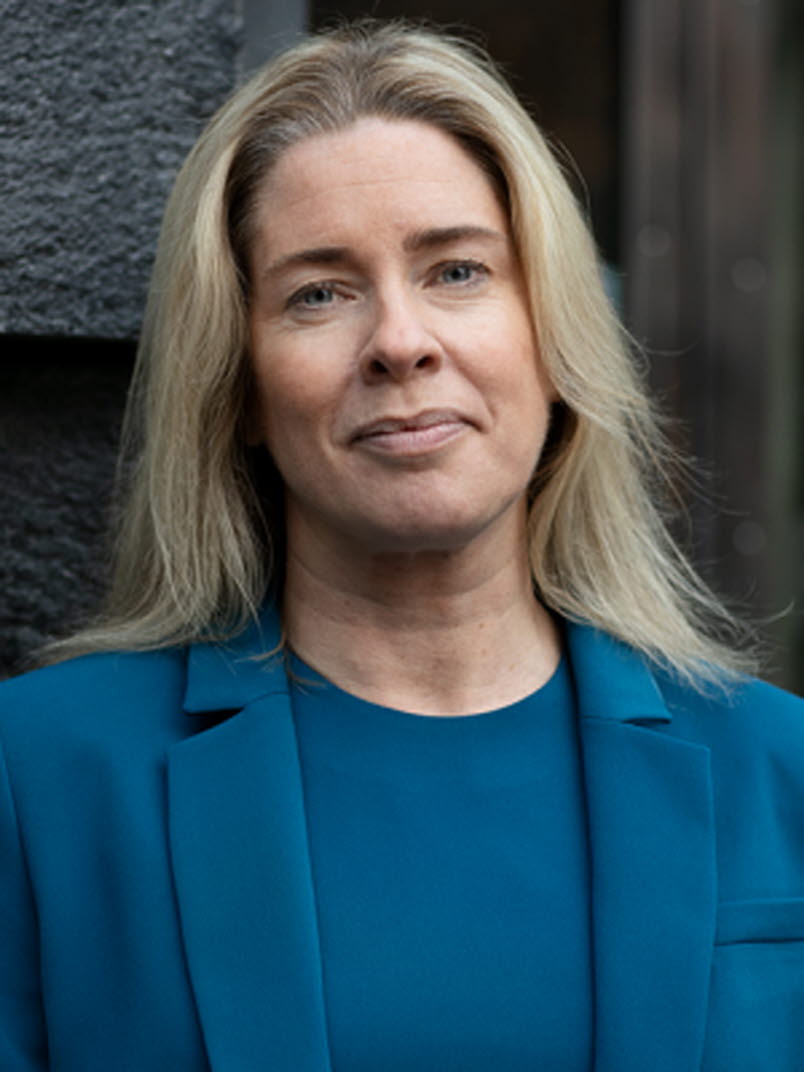
Aino Bunge, first deputy governor
As an example, she highlighted the emergence of stablecoins and what central banks can do to reduce risks to the financial system as the market grows.
“Stablecoins, and especially the technology behind them, have certain advantages such as simplifying cross-border payments. Today, the market for stablecoins is limited and they are mainly used as a means of payment in trading other crypto-assets and investments. However, the market is growing rapidly and widespread use can bring risks. Should the market become systemically important, I consider that the settlement of stablecoins should be in central bank money. Central banks may also be required to develop their service offerings to provide settlement of tokenised transactions in central bank money.”
At the same time, geopolitics is placing demands on preparedness and new European solutions for cross-border payments. The euro area is now working hard to issue a digital euro, a retail central bank digital currency to which the public will have access. The digital euro is intended to reduce the euro area’s dependence on foreign payment systems, enable offline payments and facilitate cross-border payments. According to Bunge, this reopens the question of an e-krona.
“I believe that a debate is needed on the implications for Sweden of the introduction of a digital euro. We need to revisit the issue of an e-krona – the lead times are long when it comes to initiating a process to make a decision – yes or no – and even longer when it comes to possibly actually implementing a future Swedish e-krona if the answer is yes. We therefore need to get started now.”
At the same time, she emphasised that the private sector has an important role to play in the development of the payments market, both in terms of innovation and resilience.
“Thanks to strong innovation, Sweden has long been at the forefront of the international payments market – something we will continue to strive for. The Riksbank can best do this by working together on issues of common interest, not least our preparedness and infrastructure, and continuing to open up to competition and innovation.”