
Bunge: Will investment in AI live up to the high expectations?
Presentation AI is already driving investment and boosting growth and will continue to have an impact on the economy and the labour market in the long term. “The use of AI has great potential to boost productivity in the economy and efficiency in the financial markets,” said First Deputy Governor Aino Bunge during her visit to the Chamber of Commerce and Industry of Southern Sweden in Malmö.
Date: 12/10/2026 16:30
Speaker: First Deputy Governor Aino Bunge
Place: Chamber of Commerce and Industry of Southern Sweden, Malmö.
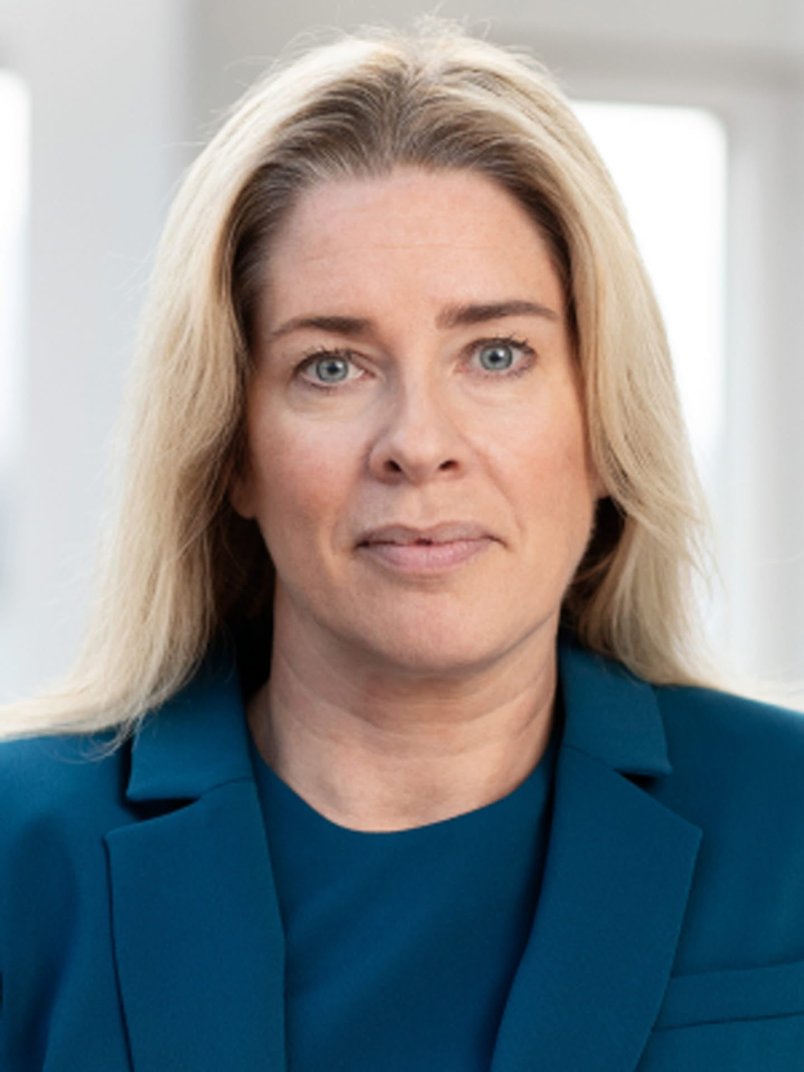
Aino Bunge, first deputy governor.
Ms Bunge pointed out that the use of AI is still at a relatively early stage, with many companies experimenting with different areas of application. However, developments are moving very fast, so it's important to keep a close eye on what happens over the coming years.
“Our Business Survey shows that, so far, companies have not made any changes to their workforce, but that they are thinking about the future. Several companies believe that new technology, such as AI, is making them question whether certain recruitment decisions are really necessary.”
“At the same time, very substantial investments are currently being made to meet current and, above all, anticipated future demand for AI. Previously, AI companies financed their investments through their cash flows, but they are now increasingly turning to loan financing. If, over the coming years, AI fails to live up to expectations or if some companies are unable to keep pace with developments, this could have consequences for the financial markets,” said Ms Bunge:
“We can see that companies have started to use increasingly complex forms of financing, and it has become more difficult to predict how stress might spread through the markets.” Swedish financial companies may be affected both through their holdings of shares and bonds in AI companies, and also through wider disruptions should we see a general decline in risk appetite. This is against a backdrop where we are also seeing concerns about rising public debt and the geopolitical situation."
Another issue she raised was how AI-driven cyber threats are leading to a growing threat to the financial system through an increasing number of more complex attacks:
“A cyber incident can spread throughout the financial system, meaning that an incident affecting one organisation can have knock-on effects for others. It is therefore important that financial companies maintain a very high standard of cyber security. Furthermore, the ability to use AI in cybersecurity work will become increasingly important in the future, and this must be done in a controlled manner.”
The economic situation and monetary policy
Ms Bunge further noted that the Swedish economy is showing a long-awaited and broad upturn. The labour market has lagged behind, but there are signs of improvement there too. Employment has risen and companies’ recruitment plans have increased slightly, although there is still spare capacity in the labour market. At the same time, supply disruptions caused by the war in the Middle East and a weaker krona are creating risks of inflation rising too high.
“Monetary policy should be forward-looking, and at our most recent interest rate meeting in September, I stated that the stronger economic activity and elevated inflationary pressures would probably justify raising the interest rate before the end of the year.”
However, Ms Bunge said that it is unclear how much the policy rate will need to be raised. “I considered that our interest rate forecast provided a reasonable assessment of future developments, but I also made it clear that we need to test our way forward when it comes to determining exactly how much monetary policy needs to be tightened.”
The Executive Board will hold its next monetary policy meeting on 3 November. “Ahead of that meeting, we will carry out a comprehensive analysis of all the latest statistics and information and assess how they affect the outlook and monetary policy.”