
Erik Thedéen: “Large-scale asset purchases can impair the functioning of the market and involve risks to independence”
Speech “Today, we are more aware of the limitations and side effects of central bank asset purchases. This suggests that the Riksbank should exercise greater patience before considering quantitative easing when the policy rate has reached its lower bound, inflation is low and growth is good.” These comments were made by Governor Erik Thedéen when he gave a speech today at the Swedish Economics Association and took stock of the securities purchases carried out by the Riksbank for monetary policy purposes between 2015 and 2021.
Date: 04/06/2026 12:00
Speaker: Governor Erik Thedéen
Place: Svenska Handelsbanken
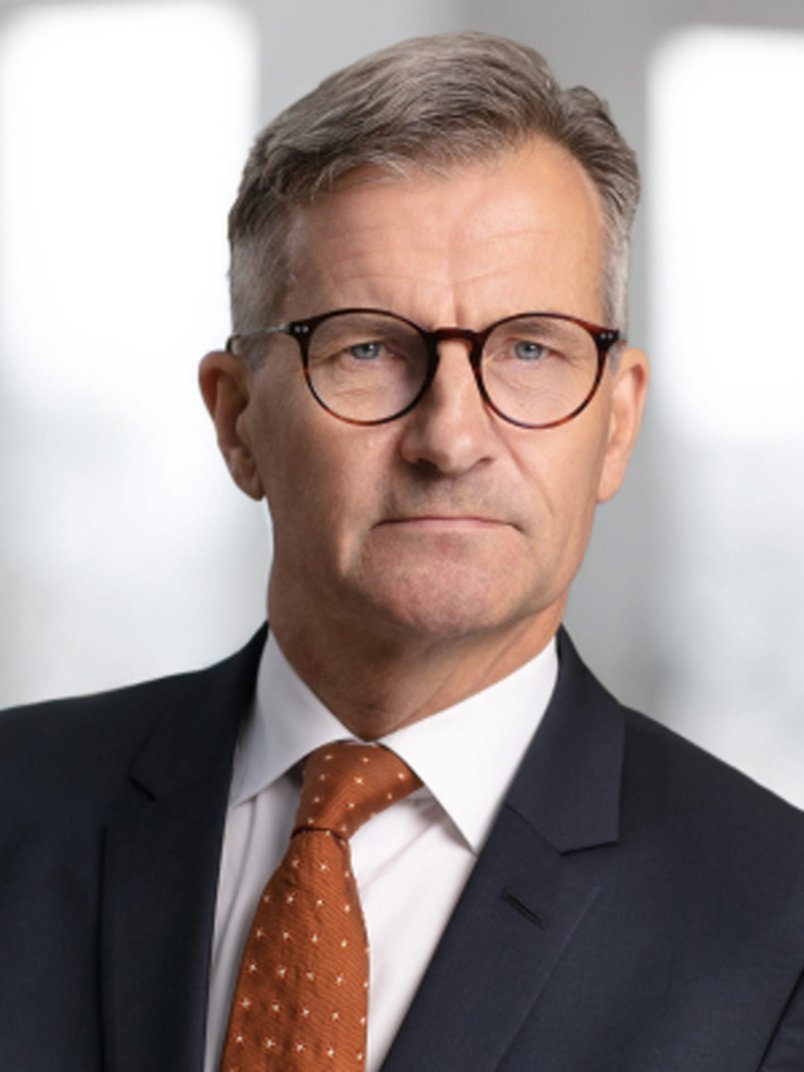
Erik Thedéen, governor.
As early as 2023, Mr Thedéen concluded that the threshold for asset purchases to boost inflation should be high and that the effects of quantitative easing (QE) should be further investigated. Now that the Riksbank’s balance sheet has returned to more normal levels and more research has been conducted on the subject, he felt that there was reason to return to the issue.
”It is clear that QE has had broadly expected effects on financial variables such as long-term interest rates and various types of risk premium. This makes it a suitable tool for stabilising financial markets in times of turmoil and crisis. However, the effects on the real economy and inflation are not as clear, partly because Swedish households and companies primarily borrow at variable rather than fixed interest rates. Questions therefore arise about the appropriateness and effectiveness of QE as a purely monetary policy tool when there is no obvious crisis,” said Mr Thedéen.
He also argued that the negative side effects of asset purchases may need to be taken into account to a greater extent than perhaps previously recognised. Mr Thedéen discussed, among other things, how they can disrupt markets that are central to government and bank debt financing and that the purchases can lead to losses that affect central bank equity. Such losses affect the interaction between the economy and politics and create risks to central bank independence.
“If the central bank owns a large share of government debt, there is a risk that the line between fiscal and monetary policy will become blurred. In addition, a central bank that makes losses and therefore consistently needs to ask politicians for money may find it harder to maintain the image of competence and independence that is central to its credibility.”
Moreover, experience from other countries shows that it can be difficult for the central bank to liquidate the securities holdings it has built up. However, Mr Thedéen pointed out that the Riksbank has essentially been able to unwind its asset holdings without negative effects.
“We have followed a consistent unwinding strategy from 2022 onwards and the reduction of the holding has been both swift and smooth. If the Riksbank were to engage in QE in the future, it would be crucial to communicate a plan for the future unwinding process before the purchases begin.”
In connection with his speech, Mr Thedéen also commented on today’s inflation outcome:
“Underlying inflation is currently relatively low, but it is clearly affected by the temporary reduction in food VAT. Once we have more details on the outcome, we will analyse the figure further. At the same time, the war in the Middle East is creating risks for inflation further ahead. In just over two weeks, we will make a decision on the policy rate again. Ahead of that decision, we will weigh up all the new information and assess how it affects the outlook for economic activity and inflation.”