
Per Jansson: Inflation risks being elevated, but there is scope to wait and see
Presentation “The risk of elevated inflation going forward has increased slightly, but we have the scope to wait before adjusting monetary policy.” This was said by Deputy Governor Per Jansson, speaking at the Swedish Bankers’ Association about his stance at the most recent monetary policy meeting.
Date: 31/08/2026 10:30
Speaker: Deputy Governor Per Jansson
Place: The Swedish Bankers’ Association
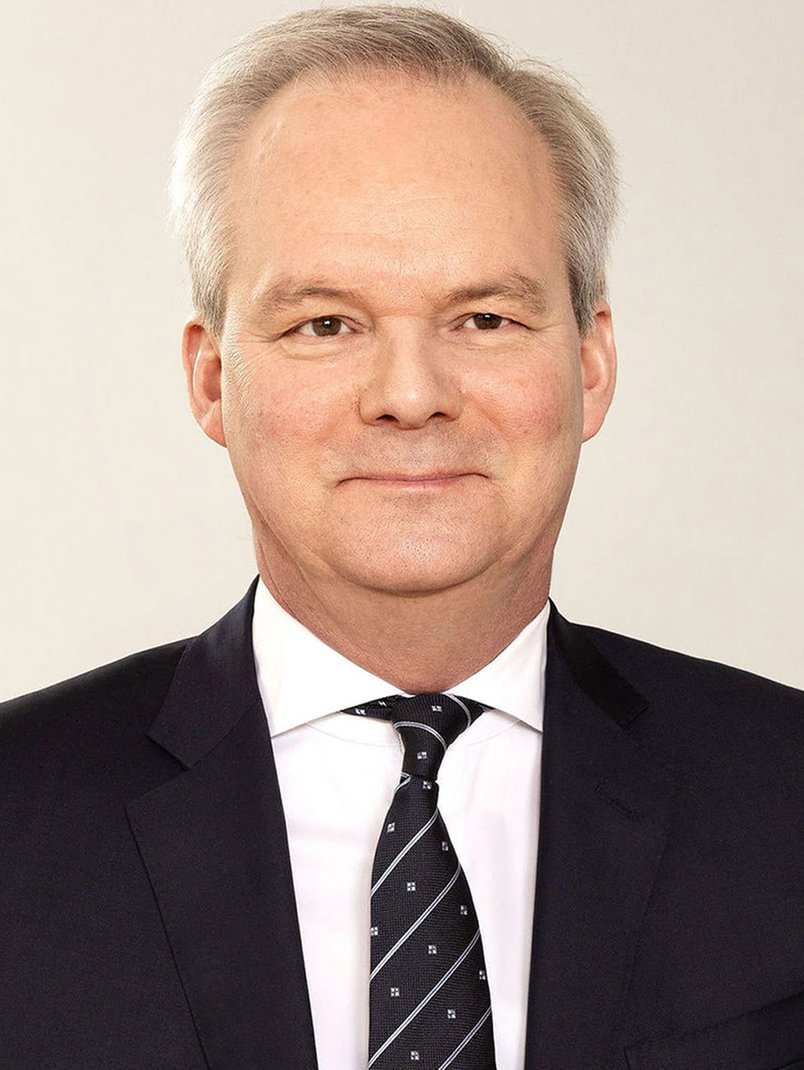
Per Jansson, deputy governor.
“The initial position for Swedish inflation is favourable, but this summer’s unexpectedly high inflation figures are clouding the picture,” said Mr Jansson. The rise in inflation was mainly driven by travel-related services, the prices of which often rise during the summer and then fall again. However, it could also be linked to unexpectedly large indirect effects of the supply disruptions, such as higher aviation fuel prices. “If this is the case, it is possible that the upturn will prove to be more lasting.”
“The labour market remains fairly weak, and although growth has been higher than expected, I do not currently interpret the signs as indicating that the economy could soon overheat. However, I still believe that the risk of slightly higher demand-driven inflation has increased somewhat.”
At the same time, Mr Jansson emphasised that there is strong confidence in the inflation target, which is clearly reflected both in longer-term inflation expectations – which are close to 2 per cent – and in the way the social partners conduct wage formation.
“This means that I currently assess that we have scope to wait before adjusting our monetary policy, even if there are some risks of elevated inflation going forward. However, should it become clear that a major inflation problem is about to arise, I would not hesitate to advocate that we take action.”
“Ahead of our next monetary policy meeting, at the end of September, we need to analyse the information that has already come in, and that will come in between now and then, to see how it might affect our forecasts and, ultimately, monetary policy.”