
Anna Seim: What is money?
Speech What is money? Anna Seim posed this question at a seminar at the Economy Museum. For example, is Bitcoin money? No, not according to Ms Seim.
Date: 09/09/2026 18:00
Speaker: Deputy Governor Anna Seim
Place: The Economy Museum, Stockholm
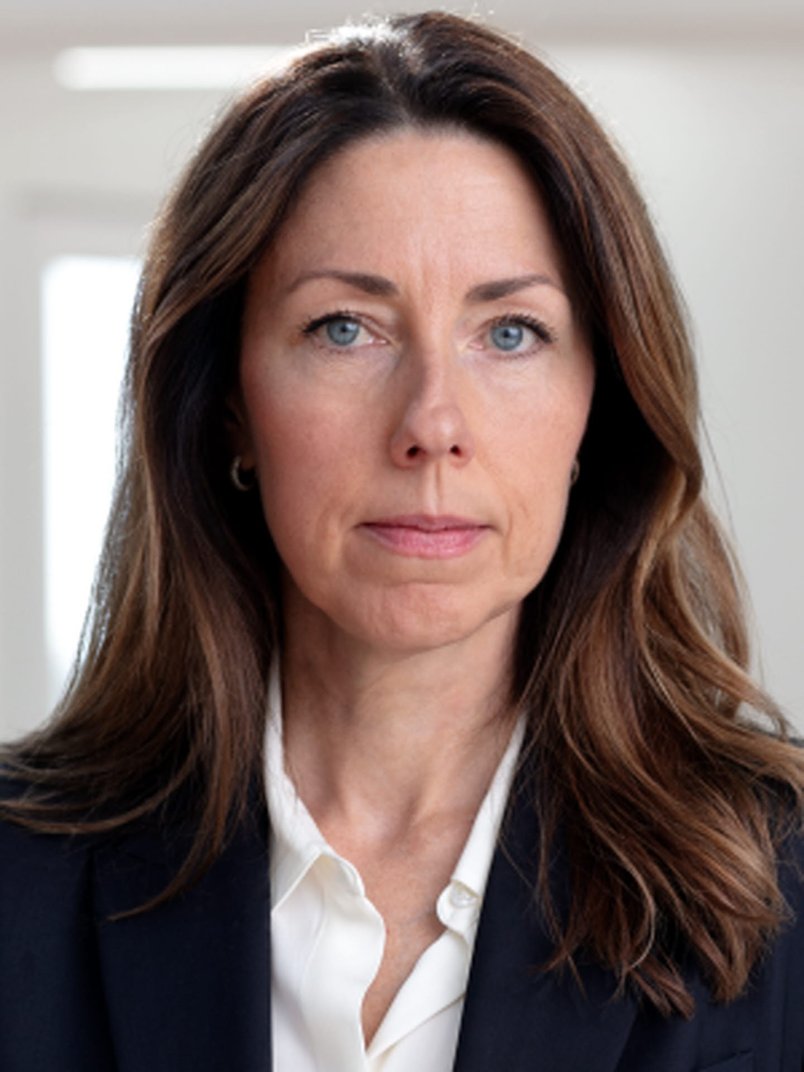
Anna Seim, deputy governor.
“We economists usually talk about money having to fulfil three basic functions,” she explained. “It should retain a stable value over time, be generally accepted as a means of payment and serve as a measure for pricing goods and services. According to that definition, bitcoin is not money.”
“The aim of maintaining a stable value of money over time is one of the main reasons why most central banks today have some form of price stability target – such as our inflation target,” she continued.
Fundamentally, money has always been based on trust and mutual agreements. In the past, coins had intrinsic value because the metal was valuable, and the first banknotes could be exchanged for gold, for example. But gradually, a system developed in which the value of money was instead based on promises and trust – in the state, in the banking system and in the economy as a whole.
Today, cash has largely been replaced by digital money, and developments are moving fast. The traditional system is being challenged by new forms of money, such as so-called stablecoins and central bank digital currencies, which are a form of digital cash that many central banks are considering introducing.
“One could say that money has evolved from being something physical, heavy and tangible, to banknotes with no intrinsic value, and now currently consists primarily of digital information. Another way of expressing it is that the underlying ‘commodity’ of money has shifted from gold to trust.”
Trust is the cornerstone of modern money. But it does not arise on its own, warned Ms Seim.
“Society is changing, technology is advancing and new means of payment are emerging. But our responsibility remains the same – to create security and stability in our monetary system, for both present and future generations.”