
Göran Hjelm: Economic policy interaction a strength for the Swedish economy
Speech Communication and interaction are important tools for monetary policy. This was a point emphasised by Göran Hjelm in his first speech as Deputy Governor. He sees a significant risk of more major supply disruptions in the future, but also said that Sweden is well equipped to face the challenges. He attributes a central role to fiscal policy and wage formation.
Date: 22/05/2026 08:00
Speaker: Deputy Governor Göran Hjelm
Place: The Riksbank, Brunkebergstorg 11
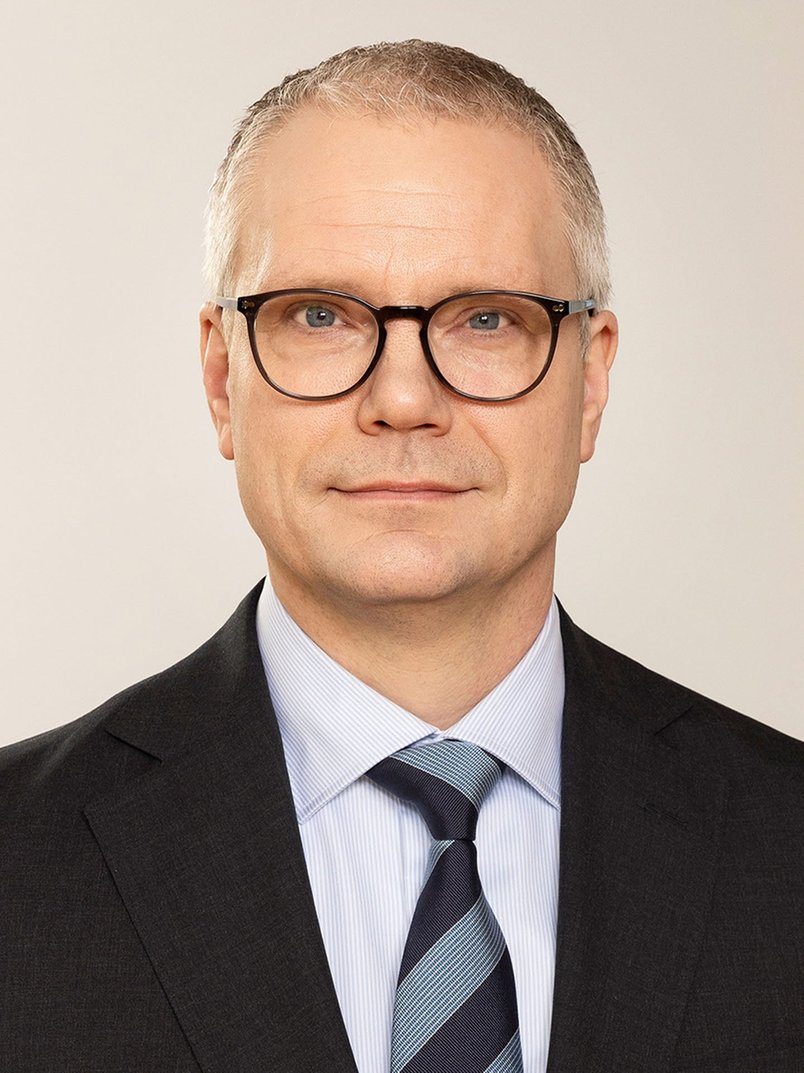
Göran Hjelm, deputy governor.
“We have seen recurrent, large shocks to the supply of goods and services, often followed by high inflation and subdued real economic growth. There is a considerable risk that we will see more such disruptions and also climate-related supply disruptions in the future.” This was how Mr Hjelm began his speech at Brunkebergs torg, in which he discussed his views on the monetary policy considerations facing the Riksbank.
He said that he shared the Riksbank’s assessment that it was necessary to tighten monetary policy significantly in 2022 and 2023. But when supply shocks push up inflation and at the same time dampen the development of the real economy, Mr Hjelm considers it appropriate to ‘see through’ higher inflation as far as possible. However, this requires a clear and credible explanation of why monetary policy is reacting less than normal.
“Clear communication from the Riksbank is particularly important for limiting the need for tightening in the event of supply-driven inflation, and also promotes interaction with fiscal policy and wage formation.”
According to Mr Hjelm, this interaction worked well during the years of high inflation and helped monetary policy to take greater account of developments in the real economy. He would therefore like to see the Riksbank take further steps to strengthen it in the future.
“Overall, this gives the Riksbank greater policy flexibility, which should be used to achieve better economic outcomes. However, this is freedom under responsibility. In the event of large supply shocks, monetary policy should be clearly tightened so that those responsible for price-setting and wage formation do not lose confidence in the inflation target. Maintaining permanently low and stable inflation is the Riksbank's overriding objective in all situations and is a cornerstone of good economic development.”