
Per Jansson: Responsible wage formation pays off
Presentation “The balanced wage formation during the years of high inflation helped us in Sweden to bring inflation down more quickly and decisively than in many other parts of the world. This, in turn, enabled us to cut the interest rate here more quickly and to a lower level.” These comments were made by Deputy Governor Per Jansson, speaking on Thursday at the National Mediation Office’s annual conference on wage formation.
Date: 22/10/2026 15:00
Speaker: Deputy Governor Per Jansson
Place: The National Mediation Office
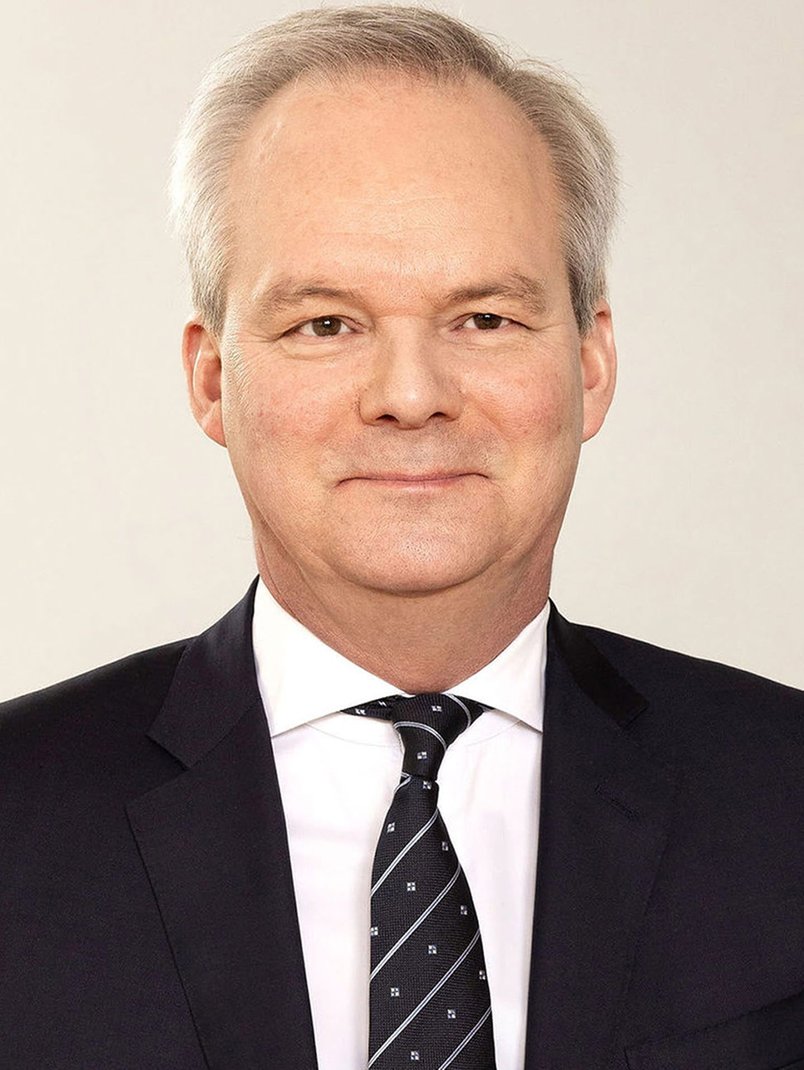
Per Jansson, deputy governor.
The recovery in the Swedish economy is now clear, and growth has been both strong and broad-based, partly as a result of an unusually expansionary fiscal policy. “Furthermore, leading indicators have continued to rise, which makes me relatively optimistic about the growth outlook.”
While the economy has strengthened, conflicts abroad have worsened the situation on the supply side, as evidenced, amongst other things, by rising prices for fuel and electricity. “From an inflationary perspective, the combination of rising demand and supply-side constraints creates risks. The conflict in the Middle East and the interest-rate differential with regard to other major economies are clearly not helping the krona either, as it has weakened over the course of the year,” said Mr Jansson.
He also pointed out that the temporary fiscal measures – such as the reduction in VAT on food and subsidised public transport – complicate the inflation picture, as they are currently pushing inflation down, but will then drive it up again once the measures come to an end. “When assessing inflationary pressures, we see through these temporary effects and normally also try to disregard the impact on inflation of volatile energy prices. However, as a resolution of the international conflicts remains distant, there is a growing risk that higher energy prices will become part of the more genuine inflation process.”
The initial position for inflation is relatively favourable, said Mr Jansson. “However, at the monetary policy meeting in September, I assessed that the upside risks to inflation warranted a slightly faster normalisation of the policy rate than had been envisaged in our June forecast.” Given such a rate path, inflation was expected to stabilise at the target in the longer run, he explained.
“In two weeks’ time, we will take a new monetary policy decision. Ahead of that, we will take stock of all the new information to assess how it affects the outlook for inflation and the economy, and monetary policy.”